Just a quick heads up – some of the links I share on this site are affiliate links. That means if you click on one and make a purchase, I may earn a small commission at no extra cost to you. Your support through these links helps me create valuable content.
Most visitors treat Rabat as an afterthought to Mdina. That is understandable. Mdina is one of the most photogenic places in Malta, and Rabat sits just beyond its walls. But Mdina is a museum. Rabat is where people live. Walk through on a weekday morning, and you will see authentic townhouses, flowers on windowsills, locals sitting on benches, and children heading to school.

Written by Laura Jasenaite, Malta travel expert with 15+ years living on the islands.
I have lived close by since 2011, and Rabat for me is the more interesting of the two.
Mdina Gets The Crowds, Rabat Gets the Real Malta
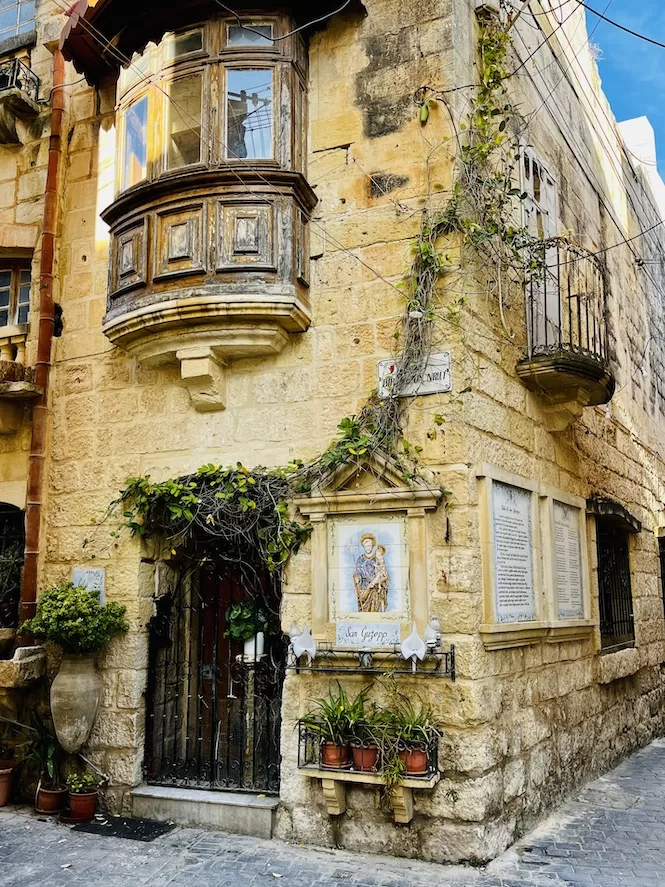
Rabat is the living town that sits directly outside Mdina‘s medieval walls. Where Mdina is quiet and preserved, Rabat is ordinary in the best sense: small streets with real people, cafés that have been there for decades, flowers climbing the sides of old townhouses. Most of the buildings have not been touched by the construction boom that has changed so many other Maltese towns.
The town is lively in the way that only places where people actually live can be. On any given morning, there are men sitting on benches talking, children buying pastizzi from the bar around the corner, and the usual mix of cats, scooters and delivery vans that characterises a real Maltese street. It is the kind of place that most tourists pass through quickly and wish they had stayed longer.
Rabat is one of the stops in my 7-Day Itinerary
I’ve mapped out exactly when to visit Rabat’s old streets and the Domvs Romana alongside Mdina and the rest of Malta – with routes, timings, and what to pair it with each day.
See the itineraryRabat is a good base for the area if you want to stay in a restored palazzo rather than a modern hotel. It has no beaches. The nearest are Ghajn Tuffieha, Gnejna and Golden Bay, all under 20 minutes by car. If you are deciding where to stay for your whole trip, my guide to the best areas to stay in Malta covers all the options in detail.
A Short History of Rabat
Rabat began as the outer suburb of Roman Melita, the ancient city that occupied what is now both Mdina and Rabat. The Arabs who arrived in the 9th century fortified the inner area and called it Medina. The outer section became Rabat, which simply means “suburb” in Arabic. That name tells you exactly what the town has always been: the working edge of a walled city.
What makes Rabat unusual is what lies underneath it. The town sits on top of one of the densest concentrations of ancient burial sites in the Mediterranean. Catacombs from the 3rd to 8th century run beneath the streets in multiple places. Walking around Rabat knowing this gives the place a different quality. Your own life feels like a tiny fraction of everything that has passed through here.
During the British period in the 19th century, Rabat was connected to Valletta by rail and received its first postal service and street lighting. Two competing band clubs opened then and are both still active today. The historical sites of Malta are spread across the whole island, but this part of the northwest has a particularly dense layer of them.
What to see in Rabat
The two sights most worth your time in Rabat are the Domvs Romana and St. Paul’s Catacombs. The other attractions — St. Agatha’s Catacombs, the Wignacourt Museum and Casa Bernard — are all worthwhile, but they suit visitors who have a full day and a strong interest in history. If you are short on time, start with those two essentials.
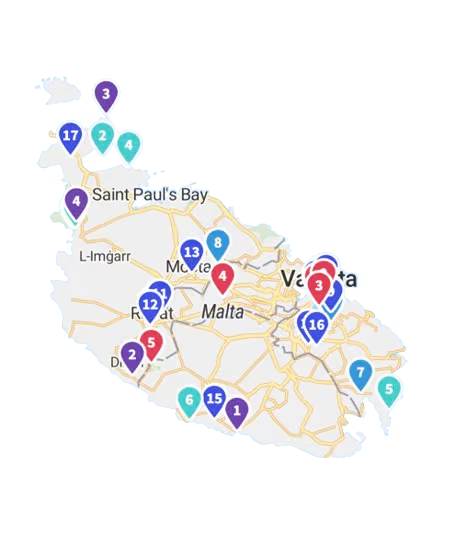
Rabat Attractions Map
Here is a map of the main attractions. Click on the pins to see locations and details.
Interested in a guided tour? Here are my top recommendations for the best Mdina and Rabat tours.
St. Paul’s Catacombs
St. Paul’s Catacombs is the main catacomb site in Rabat and the one I would recommend if you only visit one. The underground passages date from the 3rd to the 8th century and hold the burial sites of Christians, Jews and pagans side by side, a detail that says something about how different communities coexisted here long before it was fashionable to mention it.
Walking through them, the scale of what you are inside becomes apparent slowly. There are over 20 catacombs, many interconnected, covering 2,000 square metres with ceremonial tables and inscriptions in red. It is a bit claustrophobic if you are prone to that, but it is also one of those places where you feel the full weight of how much history has passed through here. Your life and the current moment feel like one small fraction of everything that has accumulated in this place.
Use the sign guides to follow the individual catacomb stories — they look similar and the context helps.
Opening times: Tuesday, Wednesday, Friday to Sunday, 9:00am–4:30pm (check Heritage Malta for current seasonal hours)
Entrance fee: €6 for adults
Location: Google Maps
St. Agatha’s Catacombs
St. Agatha’s Catacombs date back to the 3rd century AD and are similar in character to St. Paul’s. If you are short on time, St. Paul’s is the better choice. If you have a full afternoon in Rabat, St. Agatha’s adds something distinct: early Christian frescoes inside the cave sections and a small museum next door with a collection of artefacts from different periods.
The legend attached to this site holds that St. Agatha took refuge here to escape persecution, and the natural cave was later converted into a Christian crypt. The historic St. Agatha Church stands above it. Watch your footing — some areas have low lighting and uneven steps.
Get a FREE Attractions Map
Planning a trip to Malta, Gozo, or Comino? Get this free interactive map filled with insider tips, Google Maps links, and more.
I want it!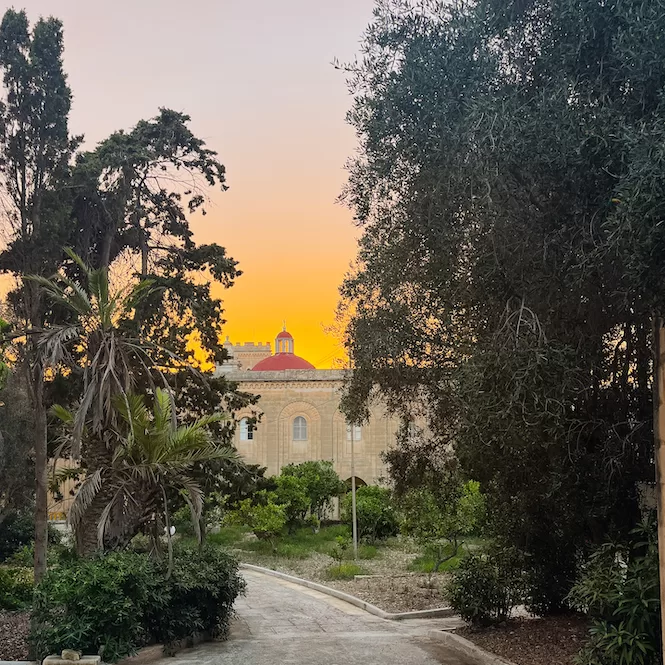
Opening times: Monday to Friday 10:00am–5:00pm, Saturday 10:00am–2:00pm, Sunday closed (more details)
Entrance fee: €5 for adults
Location: Google Maps
The Wignacourt Museum
The Wignacourt Museum is an interesting building with a lot inside it. The Knights of St. John once lived here, and the complex now includes St. Paul’s Grotto below ground, a Baroque Basilica above it, WWII shelters, underground tombs from different eras, and galleries with paintings by Mattia Preti, silverware and relics. It is a good option if you have a full day and enjoy exploring spaces that span very different periods of history.
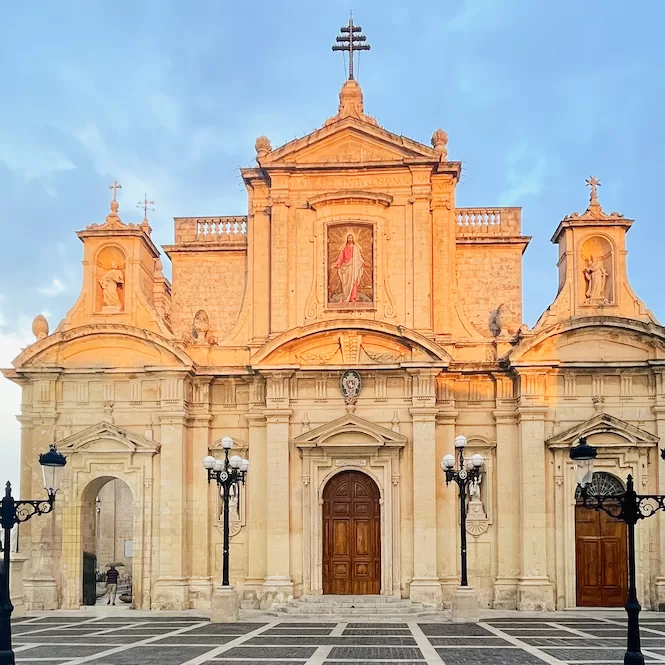
Opening times: Monday to Sunday, 9:30am–5:00pm, last admission 4:00pm (more details)
Entrance fee: €6 for adults
Location: Google Maps
Casa Bernard
Casa Bernard started as a Roman watchtower and was transformed into a palazzo by the 16th century. What sets it apart from the other museums in Rabat is that it is privately owned and still run by the family that has always owned it. The owners guide visitors themselves, which gives it a quality that public museums do not have. There are paintings, antique furniture, silverware, Roman arches in the cellar and a blend of architectural periods in a single building.
It is best suited to visitors who have time and a genuine interest in Maltese history and architecture. Tours run on the hour. For current pricing and to book, contact them directly via their website — booking by email is recommended.
Opening times: Monday to Sunday, 10:00am–4:00pm, tours on the hour
Entrance fee: Contact via casabernardmalta.com
Location: Google Maps
The Domvs Romana
The Domvs Romana is a small museum built around the remains of a Roman townhouse discovered in 1881. It is the one I would recommend to most visitors: compact, easy to explore in under an hour. The main draw is the collection of original Roman mosaics.
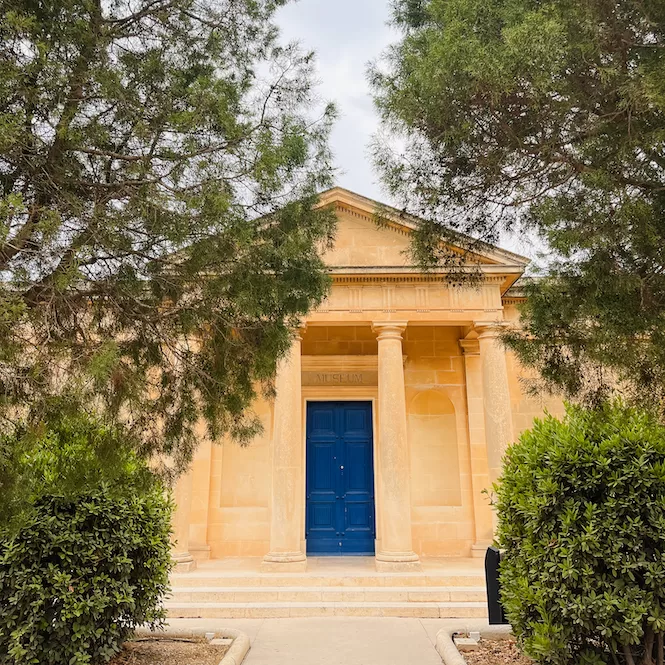
The museum also holds a collection of marble statues including figures representing Emperor Claudius and his family, alongside pottery and everyday objects from the Roman period. It builds a clear picture of elite Roman life on the island.
Opening times: Daily, 9:00am–5:00pm, last admission 4:30pm (more details)
Entrance fee: €6 for adults
Location: Google Maps
Where to Eat and Drink in Rabat
Two places are worth going out of your way for. Coffee Circus for a proper sit-down, and Crystal Palace Bar for pastizzi. If you do nothing else in Rabat, do both of these.
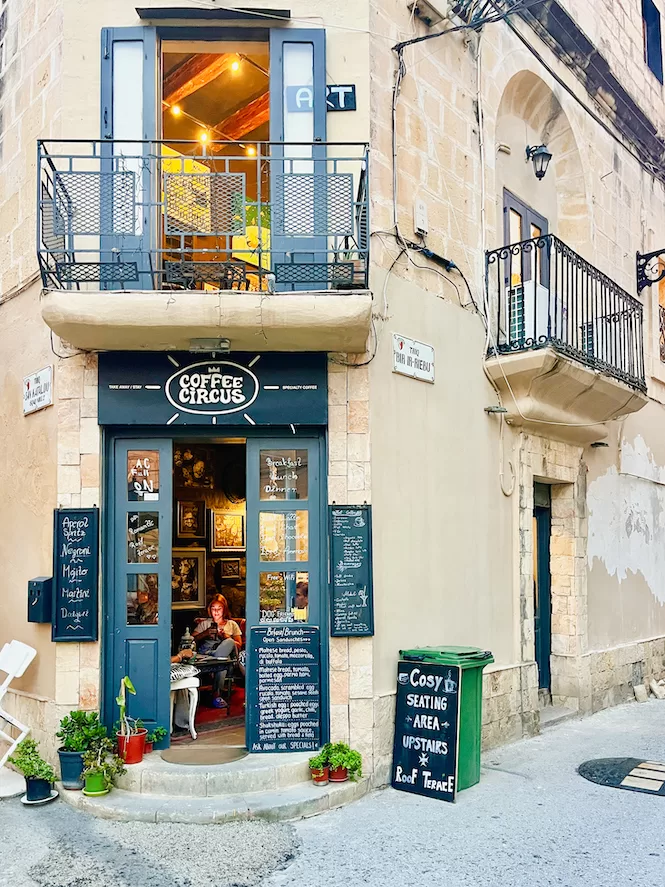
Coffee Circus is the better spot for lingering. It has a rooftop terrace with views over Rabat, locally roasted coffee and a menu that covers Maltese ftira, seasonal food and cakes. Go in the late afternoon if you can – the terrace is at its best in that light.

Crystal Palace Bar, known locally as Is-Serkin, is the go-to place for pastizzi in Malta. These are small flaky pastries filled with ricotta or mushy peas, baked fresh, from €0.70 each. Order at the counter, stand outside, and eat immediately. The pastizzi here are good enough that people drive specifically to Rabat to get them.
Places to Stay in Rabat
100 Boutique Living in Rabat: A luxurious baroque-style hotel in Rabat’s centre, offering modern glam rooms. Book here.
The Heritage Boutique Accommodation: A beautifully renovated hotel in Rabat with comfortable beds and local breakfast offerings. Book here.
Point de vue Guesthouse: Modern accommodation steps away from Mdina’s medieval walls with a terrace and children’s playground. Book here.
If you are still deciding where to base yourself, you can search all Rabat accommodation on Booking.com directly.
Getting to Rabat and Getting Around
Rabat is on the direct bus route from Valletta, but allow 40 to 60 minutes depending on traffic. The buses are reliable, but the journey takes patience. If you plan to visit only Rabat and Mdina, the bus is a reasonable option. If you want to combine Rabat with Buskett Gardens, Dingli Cliffs or the coastal trails nearby, a car makes the whole day significantly more manageable.
Parking in Rabat is easier than in Valletta or Sliema, though the narrow streets near the centre can be tight. I book through Discover Cars for all my rentals. My Malta car rental guide covers everything you need to know about booking and what to expect at the desk. For a full picture of transport options across the island, my guide to getting around Malta has all the details.
What’s near Rabat: Mdina, Dingli, Buskett and Ras id-Dawwara
The four places most worth combining with a visit to Rabat are Mdina (immediately adjacent), Buskett Gardens (10 minutes by car), Dingli Cliffs (15 minutes) and the coastal walk at Ras id-Dawwara (20 minutes).
Mdina
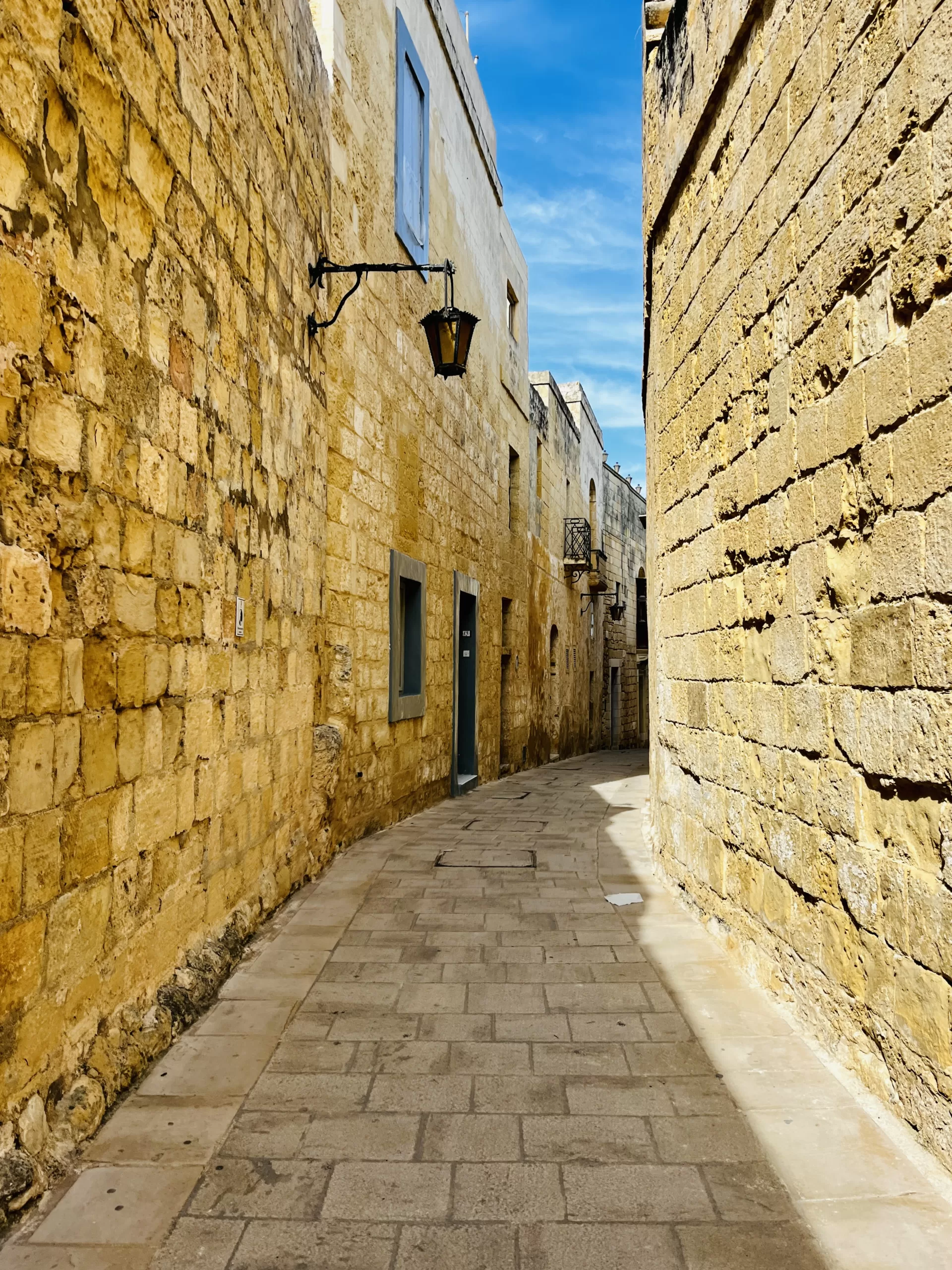
Mdina is one of the top three places to visit in Malta. It is a completely preserved medieval walled city – very few people still live inside, which keeps it unusually quiet. The architecture is a mix of medieval and Baroque, with narrow stone streets and colourful doors. Most visitors spend one to two hours wandering and then come out into Rabat for food. My complete guide to Mdina includes a self-guided walking tour with a map.
Buskett Gardens
Buskett Gardens is Malta’s only woodland, a 47-hectare green area between Rabat and Dingli. The Knights of St. John planted these gardens and built Verdala Palace nearby in the 16th century. The palace is closed to visitors, but the gardens are open and free. What I like most about Buskett is the section with orange trees – it is genuinely picturesque and a good spot for a picnic in spring or autumn. If you want to combine the visit with a walk, my hike from Buskett to Dingli Cliffs starts right here.
Dingli Cliffs
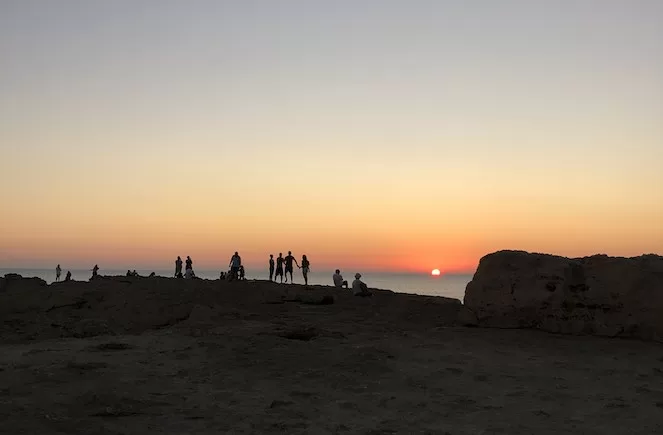
Dingli Cliffs are the highest point in Malta at 253 metres, about 15 minutes from Rabat by car. They are a popular destination in their own right, particularly for sunsets. As the light drops, the cliffs and the small island of Filfla below turn a deep orange. Autumn and spring give the best combination of light and comfortable temperature.
Ras id-Dawwara and Miġra l-Ferħa
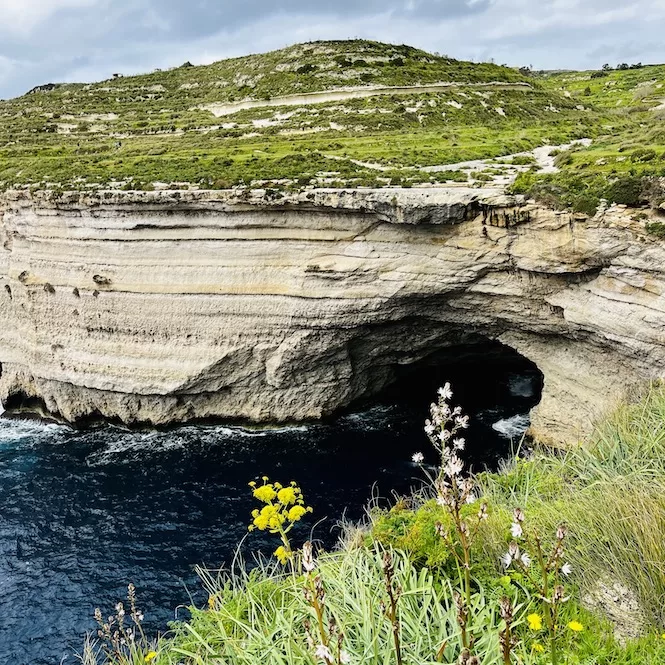
Ras id-Dawwara and Miġra l-Ferħa are coastal cliffside spots about 20 minutes from Rabat by car. The two points are about 40 minutes apart on foot along a coastal path. The views are the reward: raw cliffs, deep water, no crowds. Do not go in the height of summer. The path is exposed with very little shade, and the heat and terrain make it harsh. Autumn through spring is the right time. Full route details are in my hiking guide to Ras id-Dawwara and Miġra l-Ferħa.
If you want Rabat, Mdina, and the rest of the island planned as part of a wider trip, I’ve put together a stress-free 7-day Malta itinerary that shows how to fit everything into a week without doubling back.
Rabat Malta: Frequently Asked Questions
Building an itinerary around Mdina and Rabat? See my first-timer’s Malta travel guide for how the island’s history fits together.