Just a quick heads up – some of the links I share on this site are affiliate links. That means if you click on one and make a purchase, I may earn a small commission at no extra cost to you. Your support through these links helps me create valuable content.
Most travel guides describe Sliema as a busy tourist town with big hotels and seafront restaurants. That’s one version of it. There’s another Sliema a few streets back, one with traditional townhouses, colourful gallarija balconies, neighbourhood cafes, and local bars.

Written by Laura Jasenaite, Malta travel expert with 15+ years living on the islands.
I’ve lived in Malta since 2011. I lived in Sliema itself before moving to St Julian’s, which is a 20-minute walk away. I still spend a lot of time in Sliema because the two towns blend into each other. The promenade connects them and the line between them is invisible.
What I actually like about Sliema is that contrast. The seafront is busy, commercial, and has the best view of Valletta you’ll find anywhere. Go one or two streets back and you’re in a completely different town. This guide covers both.
Practical information
- Location: Northeast coast of Malta, directly opposite Valletta
- Ferry to Valletta: 15 minutes, leaves from Sliema Ferries waterfront
- From St Julian’s: 20 minutes on foot along the promenade
- From airport: About 12km, 25-35 mins by taxi
- Coastline: 3.5 km, rocky with swimming ladders throughout
- Best swimming: Open sea side, near Exiles (deep water, not for children)
- Best coffee: Triq Manwel Dimech, inner streets (not the seafront)
- Budget note: One of the more expensive towns in Malta
What is Sliema like?
Sliema has two distinct sides and it helps to know which one you’re looking at.
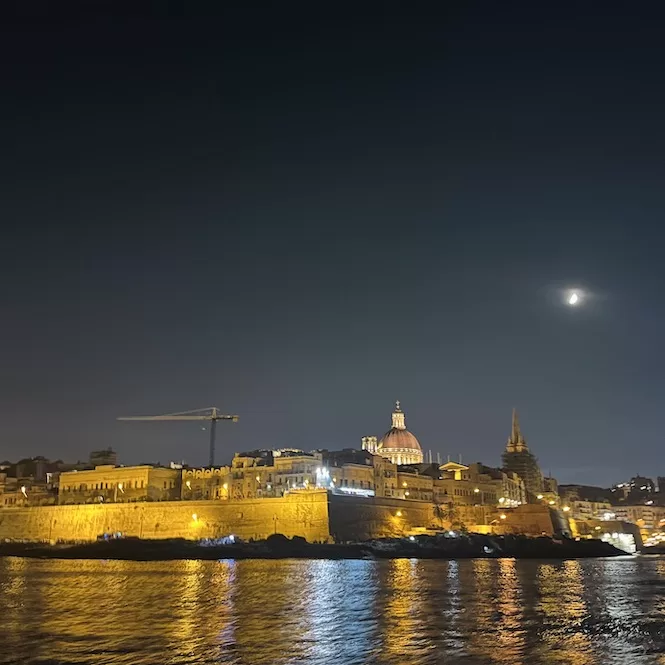
The side facing Valletta is the busy one: restaurants, two shopping malls, ferry terminal, big hotels, and most of the tourist activity. It’s the face of Sliema that most visitors see. The waterfront here has some of the best views of Valletta’s skyline in Malta, especially in the evening when the city is lit up across the water.
The other side faces open sea. The promenade here is quieter, there’s less commercial activity, and the rocky coastline is where locals go to swim. This is the side I prefer.
Sliema is one of the stops in my 7-Day Itinerary
I’ve mapped out exactly when to visit Sliema alongside the rest of Malta – with clear routes, best visit times, location links, restaurant tips, and zero stress.
Get the guideGo a few streets inland from either waterfront and the character changes again. The inner streets of Sliema still have traditional Maltese townhouses, some beautifully restored with painted doors and ornate wooden balconies. You’ll find neighbourhood cafes here, local bars, and the kind of places that don’t need to advertise because the people who know about them keep coming back.
Sliema is more expensive than most other parts of Malta, which is worth knowing if you’re on a budget. It’s also very international: most expats in Malta live in Sliema, St Julian’s, and Gzira, which makes it a different atmosphere from towns further inland.
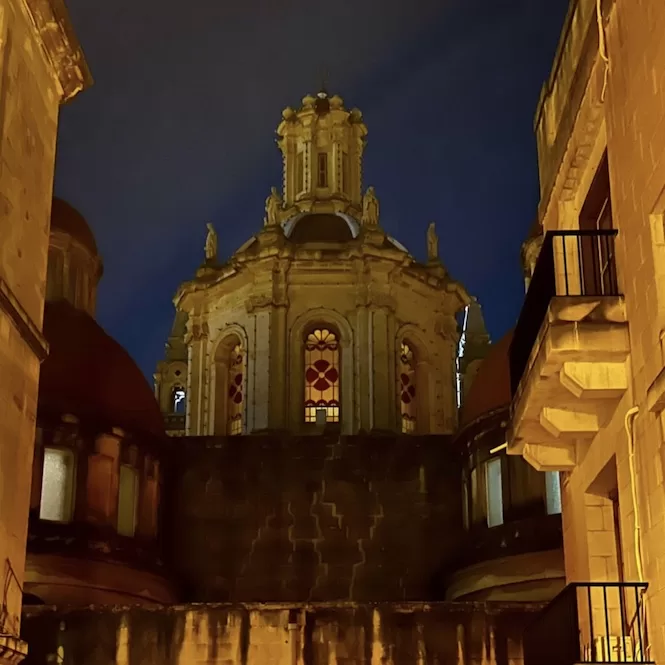
The promenade: where to start
The promenade is is the reason to be in Sliema. It runs along the open sea side of town, past the rocky beaches, all the way to St. Julian’s and beyond. You can walk or run the whole stretch to Spinola Bay in around 20 minutes and keep going from there. With the connection to St. Julian’s and Gzira, you can build runs of 10 km along the seafront without leaving the waterfront.
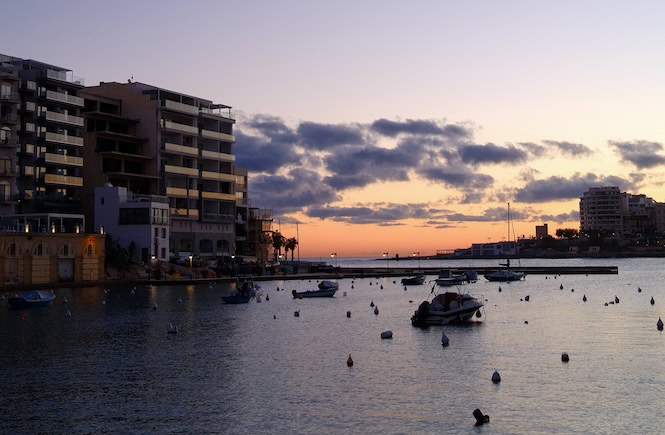
Early morning is the best time. The promenade fills up quickly once the day starts, but before 8 am it belongs to the swimmers, runners, and people with coffee watching the sea. Start Ballutta and walk south. There are benches along the whole route.
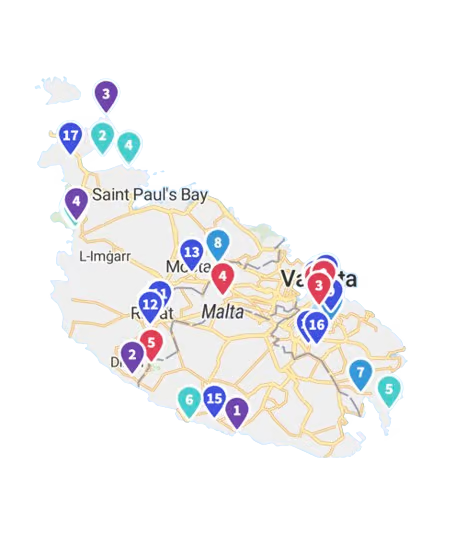
Get a FREE Attractions Map
Planning a trip to Malta, Gozo, or Comino? Get this free interactive map filled with insider tips, Google Maps links, and more.
I want it!The ferry to Valletta: worth taking every time
The Sliema ferry to Valletta takes 15 minutes and leaves from the waterfront near the Ferries area. I’ve lived in Malta since 2011 and I still find it genuinely enjoyable every time.
Sit on the top deck if you can. As the ferry crosses the harbour, you get the full Valletta skyline in front of you: old limestone fortifications, church domes, the whole historic silhouette of the capital from the water. It feels like a mini trip. It costs almost nothing and beats taking the bus every time, particularly with the ongoing construction traffic around Msida which can make bus journeys to Valletta slow.
The ferry runs regularly throughout the day. Check the Valletta Ferry Services website for current timetables.
Where to swim in Sliema
Sliema has 3.5 km of coastline and you can swim almost anywhere along it, except the harbour area near the ferry terminal where the water quality is poor.
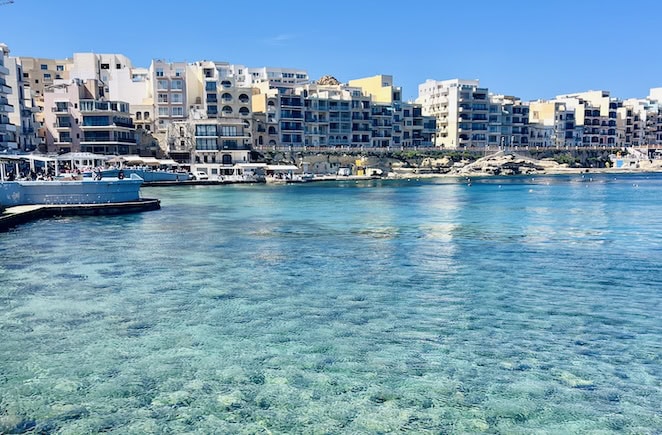
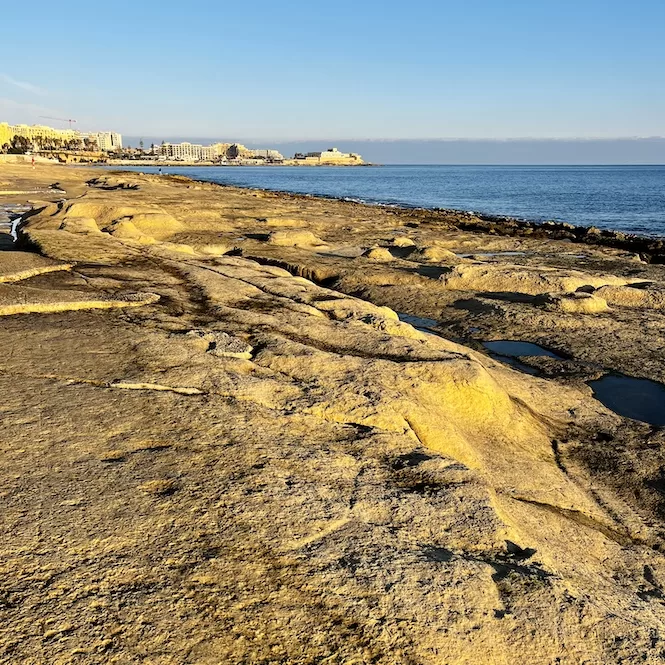
The best swimming is on the open sea side, towards and past the Exiles area. There are metal ladders built into the rocks along the whole promenade: they’re safe, easy to use, and get you straight into deep, clean water. This is how locals swim here. The water on this side is clear and the snorkelling is genuinely good. Sea bass are common. Octopus is a regular sighting in the morning, particularly in the rocks. I once saw a turtle there too, though that’s not an everyday experience.
One important note: the water on this side is quite deep from the moment you get in. It is not suitable for children or anyone who is not a confident swimmer. If you want something more sheltered, the small sandy beach at Balluta Bay on the St Julian’s border is shallower and calmer, though check for water quality notices before getting in as it can have issues.
The Roman Baths are another option worth knowing about. Despite the name, they date to the Victorian era: rock pools carved into the limestone at the water’s edge, with steps down into the sea. They’re only about a metre deep so they’re accessible for people who want to be in the water without the open sea. You’ll find them on the open sea side of the promenade.
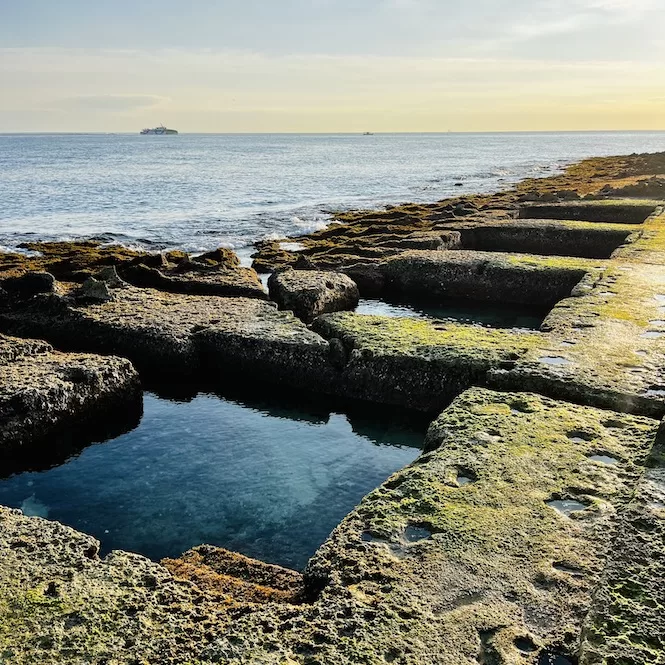
The metal ladders are seasonal: they go in when the swimming season starts and come out before winter storms. Do not swim if the sea is rough. The currents on the open sea side can be strong and dangerous.
For more info on Sliema beaches, check out my guide.
The inner streets: the Sliema most visitors miss
If you walk away from the seafront on either side of Sliema, the town changes. The wide roads lined with hotels and restaurants give way to narrower streets with traditional townhouses. Many of these have been beautifully restored: painted doors in greens and blues, traditional gallarija balconies in wood, window boxes with plants. The architecture is the same Maltese vernacular you see across the island but without the tourist foot traffic.
This is where I’d look for coffee. The seafront cafes are fine but they’re priced for tourists and the atmosphere is predictable. Head instead to Triq Manwel Dimech, one or two streets back from the busy waterfront, where you’ll find smaller, quieter cafes that the locals use. Cafe Mezcla and COFFEE & Strangers Espresso Bar are both on this street and both make excellent coffee. The setting is better too: old townhouses, the occasional cat, nobody rushing.
Things to do in Sliema
Walk or run the promenade
Start early, walk north towards St. Julian’s, stop for a coffee somewhere along the route. The sea is there the whole way. It’s the simplest and most rewarding thing you can do in Sliema. You can also see sunrise there.
Take the ferry to Valletta
Fifteen minutes across the harbour with the Valletta skyline ahead of you. Sit on the top deck. It’s one of the best perspectives on Malta’s capital and it costs almost nothing.
Swim from the rocky coast
The ladders near the Exiles area are the local’s choice. Deep, clean, clear water. Bring a snorkel if you have one.
Explore the inner streets
Go two or three streets back from the seafront and look at the architecture. The restored townhouses are some of the nicest examples of traditional Maltese building you’ll find this close to the tourist areas.
Spend an evening at the Exiles rocky beach
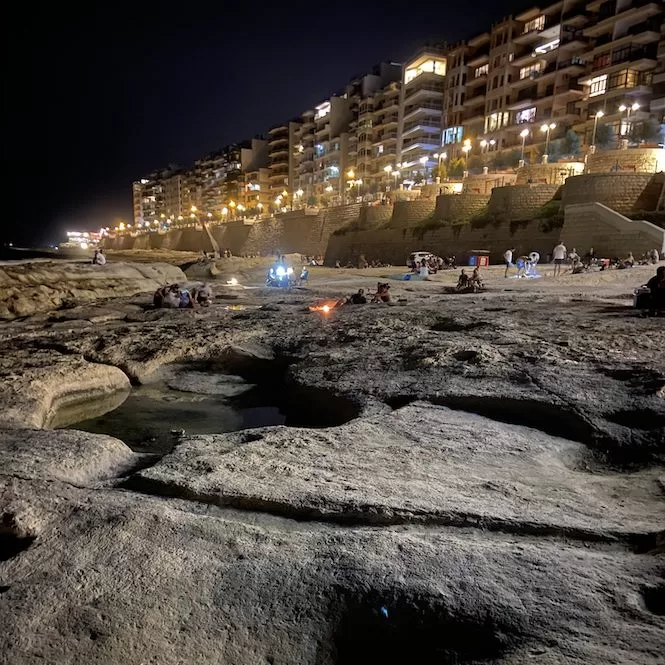
When the sun goes down, locals gather on the flat rocks near the Exiles bar: barbecues, takeaway food, cold drinks, the sound of the sea. There’s music from the bar nearby. It’s one of my favourite places to spend a summer evening in Malta.
Try scuba diving
Sliema has several diving centres, including Dive Systems where I learned to dive. For a first experience, there’s a small shipwreck close to the Exiles that’s suitable for beginners. The water around Sliema is a good introduction to Mediterranean diving.
Outdoor fitness classes
Independence Gardens in Sliema hosts yoga, Zumba, and other outdoor classes, usually in the morning. Check Facebook events for current listings. SUP yoga is also offered in summer on nearby Manoel Island.
Is Sliema a good base for a Malta holiday?
Yes, with a clear-eyed view of what it is.
Sliema is convenient, well-connected, and has everything within walking distance. The ferry to Valletta is fast and enjoyable. Buses run frequently to the rest of the island. You can walk to St Julian’s in 20 minutes. There are restaurants and cafes for every budget.
The honest side of that: it’s busy, it’s on the expensive side for Malta, and the Valletta-facing waterfront in particular can feel relentlessly commercial. If you want a quieter, more traditional Malta experience you’d be better based in a smaller town.
If you want to compare options, my guide to the best areas to stay in Malta covers all the main choices.
But if you want to be close to the sea, have good food and transport options on your doorstep, and don’t mind a bit of urban noise, Sliema is one of the most practical places to stay on the island.
Lastly, Sliema offers a wide range of accommodation options from boutique hotels to self-catering apartments. Click here for the best deals.
Places to Stay in Sliema
D Townhouse: Modern, spacious suites with rooftop access and terraces. Book here.
Hotel Verdi: Stylish rooms bathed in natural light, featuring modern amenities and private balconies with views of Valletta’s skyline. Book here.
Land’s End Boutique Hotel: Prime waterfront location on Sliema Bay, close to dining options. Highly recommended for sea-view rooms. Book here.
What is the nightlife like in Sliema?
Sliema is not known for its nightclubs, but there are still plenty of options for those looking to have a fun night out. Many bars in Sliema stay open late so that you can enjoy a drink with friends.
If you are up for some dancing, you’ll find lively nightlife in Paceville. It’s just a 10-minute taxi ride away. So, you can easily hop over to Paceville for a night of dancing and fun.
A brief history of Sliema
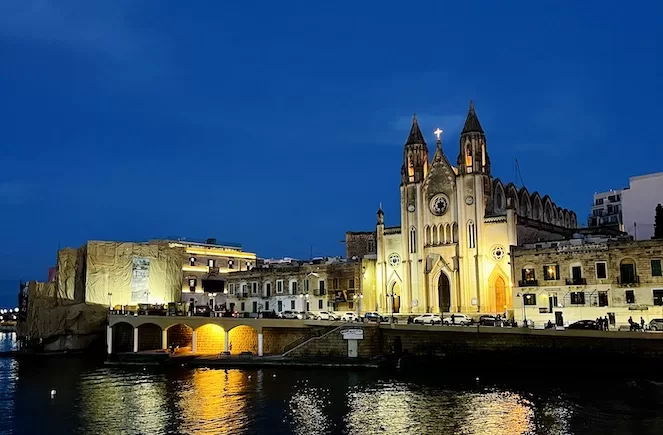
Sliema was a quiet area until the second half of the 19th century, when wealthy families from Valletta began building summer villas along its coastline. By 1878 it had grown enough to need its own parish church: the Stella Maris, dedicated to Our Lady Star of the Sea, which still stands on the waterfront.
After World War II the town developed rapidly. Many of the Victorian villas on Tower Road were demolished and replaced with the apartment blocks and hotels that define the seafront today. It’s one of Malta’s more developed towns as a result, though pockets of the original architecture survive in the inner streets.
How to get to Sliema
From Valletta: The ferry from Valletta’s waterfront takes 15 minutes and is the best option. Buses also run frequently but can be slow due to construction traffic around Msida.
From St Julian’s: 20 minutes on foot along the promenade. Buses also connect the two towns.
From the airport: About 12 km. By taxi or Bolt, allow 25 to 35 minutes. By bus, allow 45 to 55 minutes.
By car: Parking is challenging. On-street spaces are limited and often resident-only. Use a private car park if you’re driving.
Where to eat and drink in Sliema
As a local, I often get asked for recommendations on the best places to eat and drink in Sliema. So I want to share my top recommendations with you, so you can enjoy some tasty meals and drinks without falling into a tourist trap.
Best coffee: Triq Manwel Dimech
Skip the main promenade entirely. Walk up to Triq Manwel Dimech and try Cafe Mezcla or COFFEE & Strangers Espresso Bar. Both are small, both make a very good brew, and neither feels like a tourist trap. The street itself is worth seeing for the architecture.
Best pub: Simon’s Pub
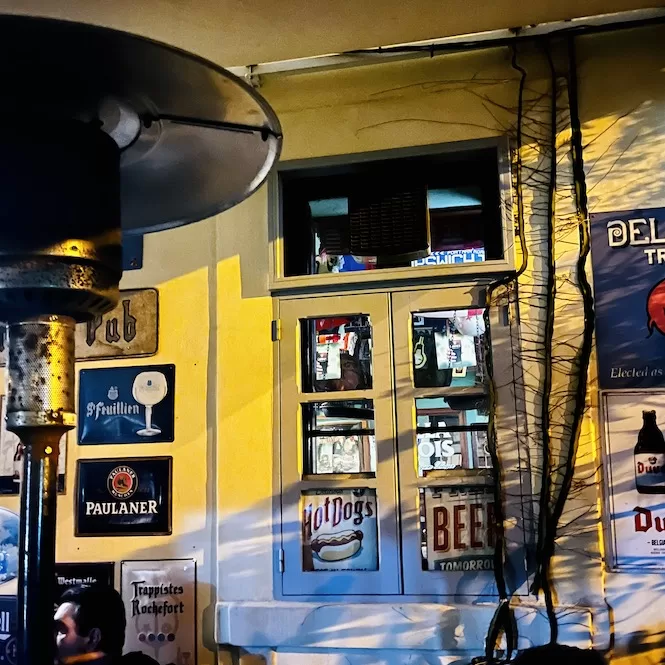
Simon’s has been open since the 1980s, about five minutes from Balluta Bay. It’s an English-style pub with a good range of craft beers and Simon himself behind the bar, who has been running it long enough to have travel stories about Malta. He’s friendly and will talk to you if you want conversation. There’s a terrace outside.
Best street food: Kebab Ji
Middle Eastern street food done properly. Falafel, tabbouleh, chicken wrap: everything is made fresh in front of you. I like getting something from here and taking it to eat by the sea.
Frequently Asked Questions
Sliema is a vibrant and exciting destination with plenty to offer. Its central location also makes it the perfect base for exploring other parts of Malta. So, if you’re planning a trip to this beautiful island, be sure to put Sliema on your list.
If you liked this post, also check out my other guides to Malta’s towns – Valletta, Three Cities, Gzira, Ta’Xbiex, Marsaskala, Naxxar, Mellieha, Bugibba and St. Julian’s.
Planning the rest of your trip? My Malta travel guide for first-timers covers how many days you need and where to go.