
Just a quick heads up – some of the links I share on this site are affiliate links. That means if you click on one and make a purchase, I may earn a small commission at no extra cost to you. Your support through these links helps me create valuable content.
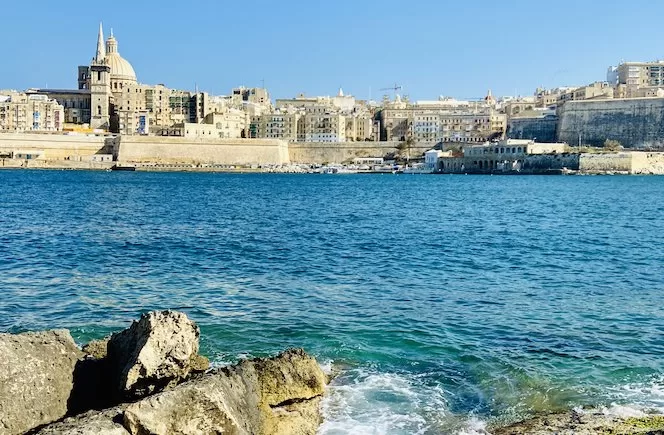
Do not take the bus to Valletta. Take the ferry from Sliema. It is a small boat and you can sit on the roof. You cross the harbour in about fifteen minutes, and the whole time you are watching Valletta’s skyline coming towards you: centuries-old limestone fortifications, church domes, the city walls rising straight from the water.

Written by Laura Jasenaite, Malta travel expert with 15+ years living on the islands.
It costs almost nothing and it is a much better arrival than sitting in traffic. I have made that crossing hundreds of times for over fifteen years and it still feels like something.
Valletta is one of the smallest capital cities in the world. You can walk the entire thing in an afternoon. But the city rewards people who slow down. Republic Street has the main sites, but the side streets have the real city.
This guide covers both, with a walking map, honest takes on what is worth your time and what you can skip, and the coastal walk almost nobody takes that I think is the best thing you can do in Valletta.
How to get to Valletta
By ferry from Sliema: The Sliema ferry leaves from the Ferries waterfront and takes 15 minutes. It runs regularly throughout the day. Sit on the top deck and enjoy the views.
By bus: Multiple routes run from across Malta to Valletta’s bus terminus outside the City Gate. Check publictransport.com.mt for routes and timetables.
Valletta is one of the stops in my 7-Day Itinerary
I’ve mapped out exactly when to visit Valletta alongside the rest of Malta – with clear routes, best visit times, location links, restaurant tips, and zero stress.
Get the guideBy car: Driving into Valletta is not recommended. Traffic and parking are both difficult. Park in Floriana and walk in, or take the ferry.
The self-guided walking tour map
Below is a self-guided Valletta walking map. In the city you will see stands selling paper maps, but this online version is more convenient and easier to navigate.
You can fit everything in one day, but if you do not want to rush, split it into two. Valletta is small enough that neither option feels pressured.
One practical note: if you visit on a Sunday, shops are largely closed, but cafes, bars, and the main sites stay open.
If you are short on time, these are the five places to prioritise:
- Triton’s Fountain
- Upper Barrakka Gardens
- Republic Street
- Grand Master’s Palace
- St John’s Co-Cathedral
The tour covers about 4 kilometres. Walking time alone is just over an hour, but most people spend a full day once you factor in the stops. Most attractions close around 5pm, so start in the morning.
If you want to understand Malta’s history well, take a guided walking tour in Valletta. Look at my guide for the best Valletta walking tours.
Triton Fountain and the City Gate
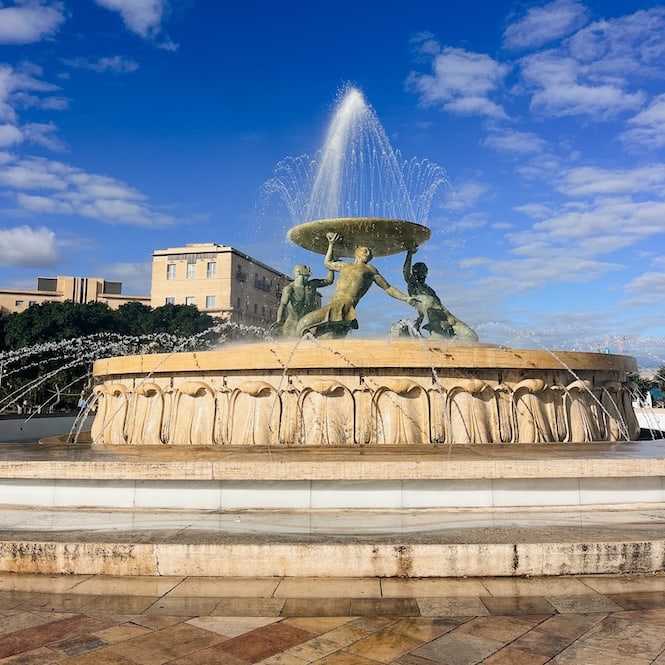
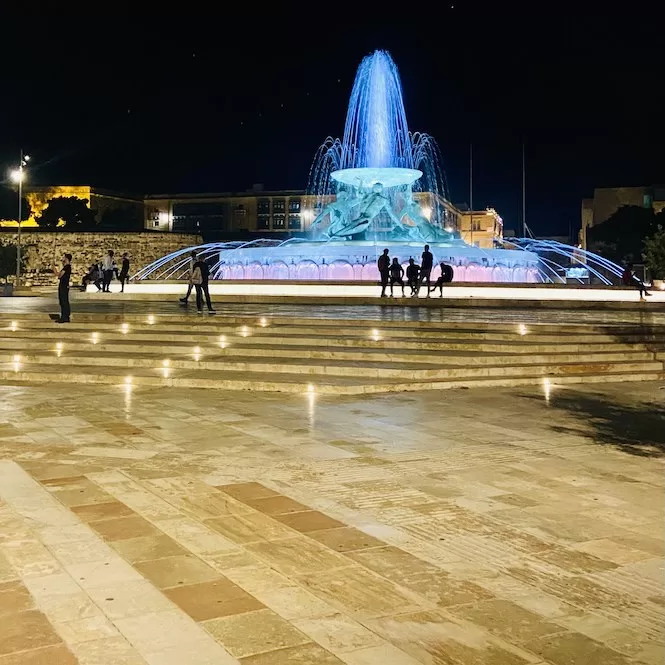
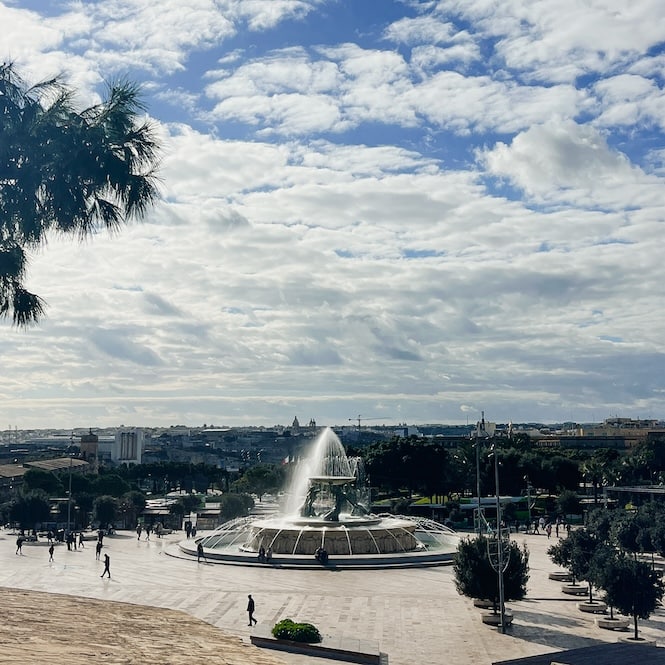
The walking tour starts at Triton’s Fountain, marked as 1 on the map, just outside the City Gate.
I remember the first time I saw it. Three bronze tritons holding up a massive basin against the Valletta sky — strong, graceful, and much bigger than you expect. During the day the fountain catches the light well. At night, when it is lit up, it becomes a different thing entirely. Worth seeing both ways if you have the chance.
One tip: the best view of the fountain is not from ground level in front of it, but from Hastings Gardens up on the city walls above. From there you see the whole composition properly.
Valletta’s City Gate
Walk straight from the Triton Fountain and you’ll soon come across a bridge leading to the new City Gate. It’s number 2 on the map of Valletta.
This gate was built alongside the new Parliament House.
As you cross, you are going over the old Valletta ditch, now transformed into Ġnien Laparelli garden below you. It is a pleasant spot worth a look down at before you continue.
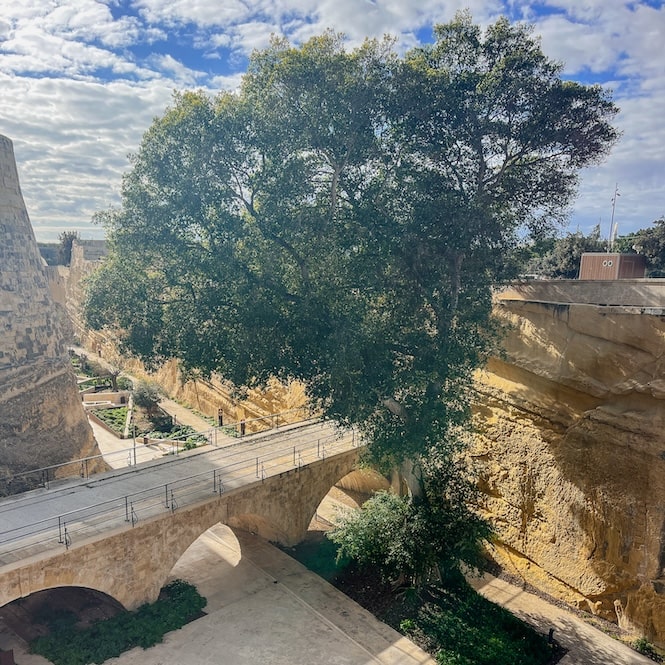
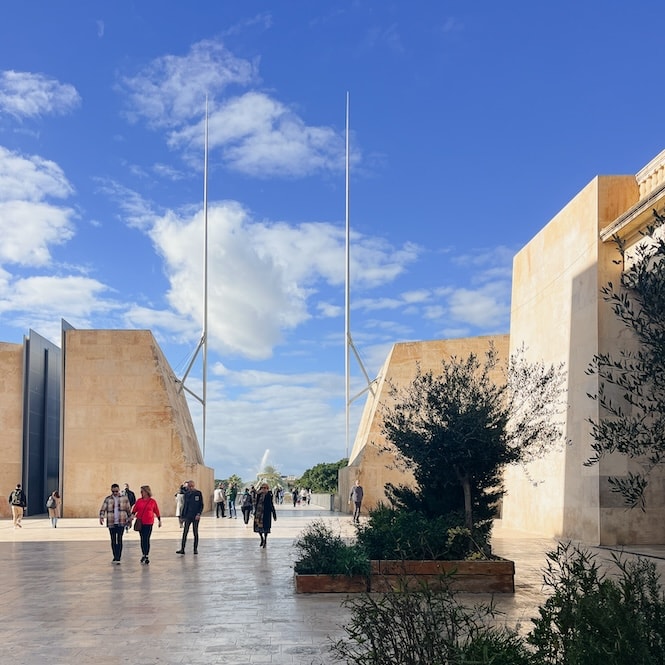
The original gate was built by the Knights of Malta and destroyed in World War II. The replacement bridge put up in the 1960s was widely disliked and eventually removed. The current gate and bridge were designed by Renzo Piano, the same architect behind the Parliament House alongside it, and opened in 2015. Minimalist, clean, very different from anything else in Valletta.
On either side of the entrance you will notice two tall poles: they represent swords held upright in salute to everyone entering the city. A small detail that is easy to walk past without noticing.
Get a FREE Attractions Map
Planning a trip to Malta, Gozo, or Comino? Get this free interactive map filled with insider tips, Google Maps links, and more.
I want it!Parliament House
Opening times: Occasionally open for visitors, usually during city events
Location: Google Maps
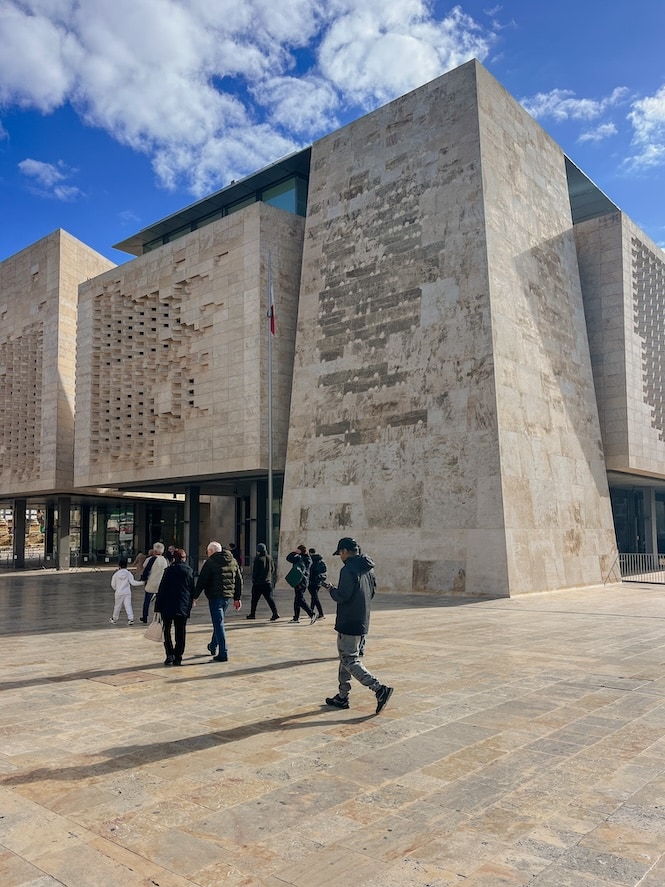
On your right after the City Gate is the Parliament House, number 3 on the map.
It was designed by Renzo Piano and built between 2011 and 2015 on the site of Valletta’s old railway station, which had been out of use since 1931. Before this building opened, Malta’s parliament met in the Grand Master’s Palace further along Republic Street.
The building is made of two separate blocks connected by bridges, using Gozitan limestone, concrete, and steel. Look at the cladding closely: the honeycomb pattern is a reference to Malta’s name, which some historians connect to the Greek and Arabic words for honey. It is the kind of detail you would miss entirely if nobody pointed it out.
Upper Barrakka Gardens and the Saluting Battery
Opening times: daily, 7 am to 10 pm
Entrance fee: Free
Location: Google Maps
From the Parliament House, continue along Republic Street and follow the map to the Upper Barrakka Gardens, number 4.
The gardens sit on top of the Valletta bastions and were built in the 16th century as private grounds for the Grand Master and the Knights of St John.
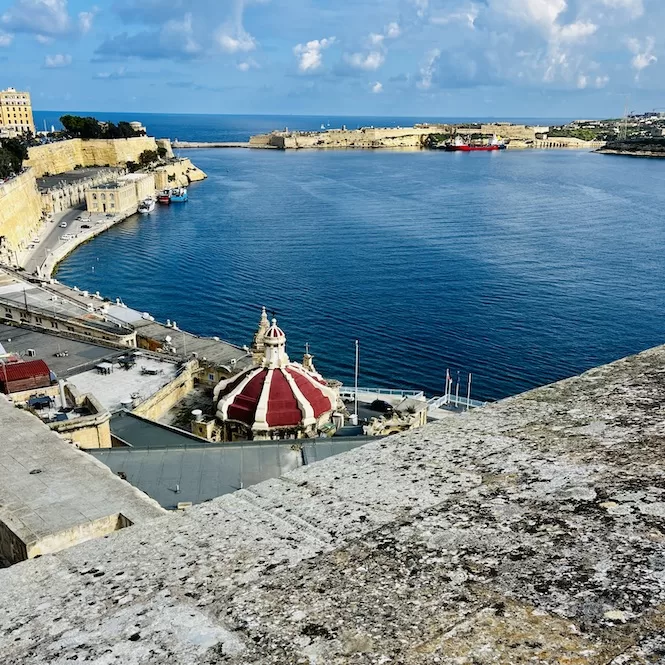
Today they are one of the most visited spots in the city, and for good reason: the view from the bastions directly across the Grand Harbour to the Three Cities is one of the best in Malta. Come early in the morning if you can, before the tour groups arrive, and you will have it largely to yourself.
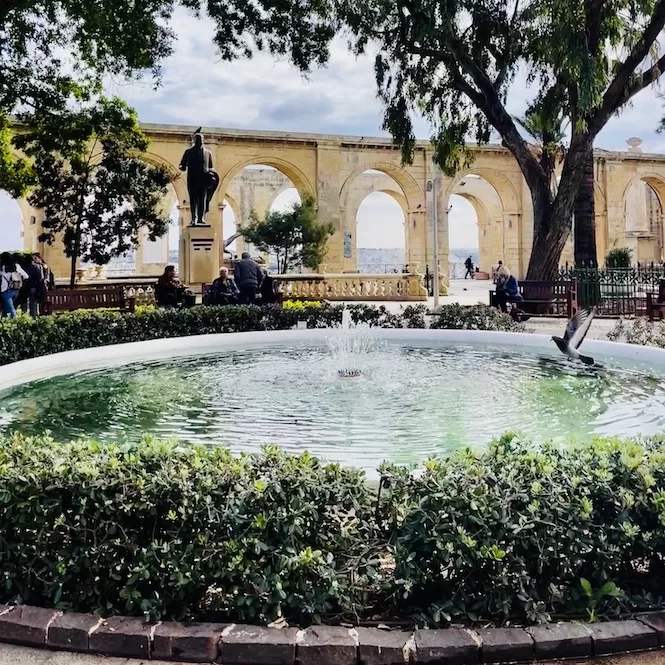
The gardens are also where you can watch the historic gun salute – the cannons fire daily at noon and 4pm from the Saluting Battery just below. Worth timing your visit around if you can.
You can reach the gardens from the waterfront via the Barrakka Lift rather than walking up. If you have a Three Cities ferry ticket, the lift is free. Otherwise there is a small fee. The alternative is a long, steep walk, which most people do not enjoy.
War HQ Tunnels and the Saluting Battery
The Saluting Battery
The Saluting Battery is number 5 on the map, just below the Upper Barrakka Gardens. It dates to 1565 and has one of the more interesting histories of any site in Valletta.
Opening times: Saluting Battery is open Monday to Saturday from 10 am to 4:30 pm (more details)
Guided tour fee: €3 for adults
Location: Google Maps
Originally it served two practical functions: announcing the opening and closing of the city gate at sunrise and sunset, and firing a signal shot at noon. It also had a ceremonial role, saluting ships and important guests as they arrived and departed from the harbour.
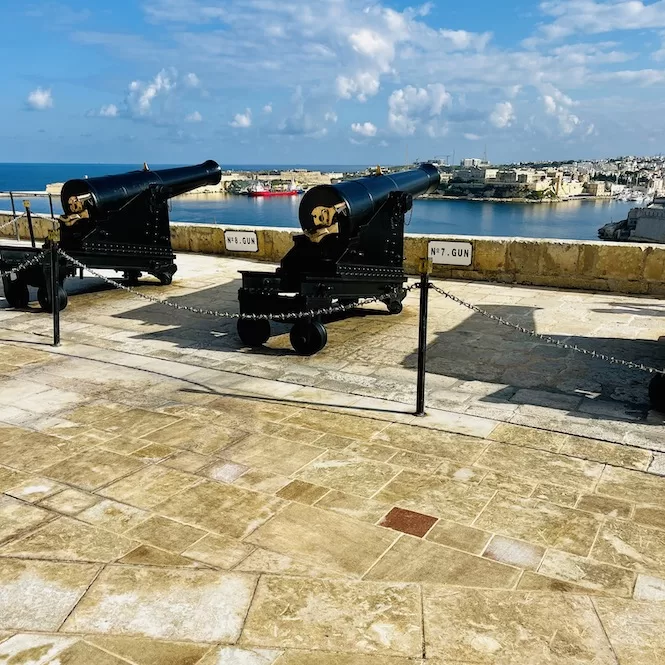
The British Royal Navy closed the Battery in 1954 and removed the cannons. After Malta gained independence, the site was converted into a public garden in 1965. Eight replica 32-pounder cannons were installed in 2011, and since then the salute has been reinstated: the cannons fire daily at noon and 4pm, and for special state occasions. If you are standing in the Upper Barrakka Gardens at either of those times, you will hear them without needing to pay the entry fee.
War HQ Tunnels
Opening times: You can only enter with a booked tour at 10:30 & 14:00 (more details)
Guided tour fee: €17 for adults
Location: Google Maps
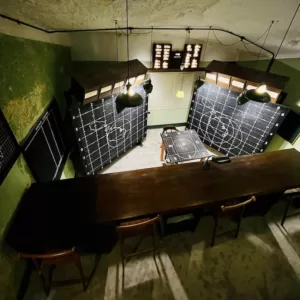
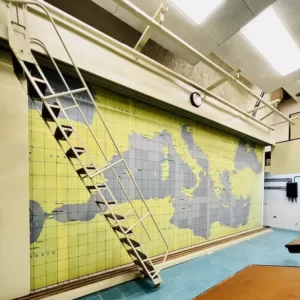
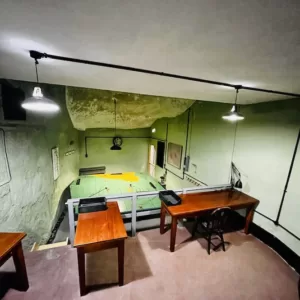
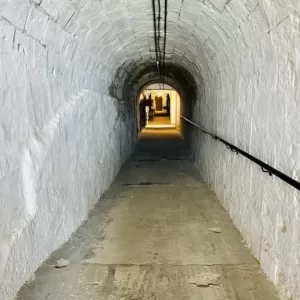
The most interesting rooms are:
- Anti-Aircraft Gun Operations Room. In this room, the Royal Artillery controlled the anti-aircraft guns. It coordinated the operation with the air defence system.
- Filter Room. The radar data was combined from several stations to get accurate incoming aircraft information.
- NATO Operations Rooms. NATO used this secret room to track Soviet submarines in the Mediterranean.
After the British military left Malta in 1977, the War HQ Tunnels were closed. They remained untouched for a long time.
In 2009, a non-profit Heritage Foundation, Wirt Artna, started restoring the site and offering guided tours. To visit the War HQ Tunnels, you must book a tour. The price includes visiting the Saluting Battery.
Lascaris War Rooms
Opening times: Monday to Saturday, 10 am to 4:30 pm (more details)
Entrance fee: €20 for adults
Location: Google Maps
The Lascaris War Rooms are number 6 on the map, next to the Upper Barrakka Gardens and the Saluting Battery. They are an underground network of tunnels and chambers that served as Britain’s secret War HQ in Malta during the Second World War.
What makes this place remarkable is the scale of what happened here. The military planned and managed Malta’s entire defence from these tunnels, and at the peak of the war more than a thousand people worked in the complex. It was used to coordinate operations across the Mediterranean, not just Malta’s own defence.
The tunnels contain several key rooms. The RAF sector fighter control room was used to monitor and manage all air and sea operations. The anti-aircraft gun operations room coordinated the artillery response to air raids. Some rooms housed encryption machines for secret communications.
A guided tour is worth doing here rather than wandering on your own. The context makes the individual rooms considerably more interesting than they appear at first glance.
Lower Barrakka Gardens
Opening times: Monday to Sunday, 7 am to 9 pm
Entrance fee: Free
Location: Google Maps
The Lower Barrakka Gardens are number 7 on the map, about 15 minutes on foot from the Upper Barrakka Gardens.
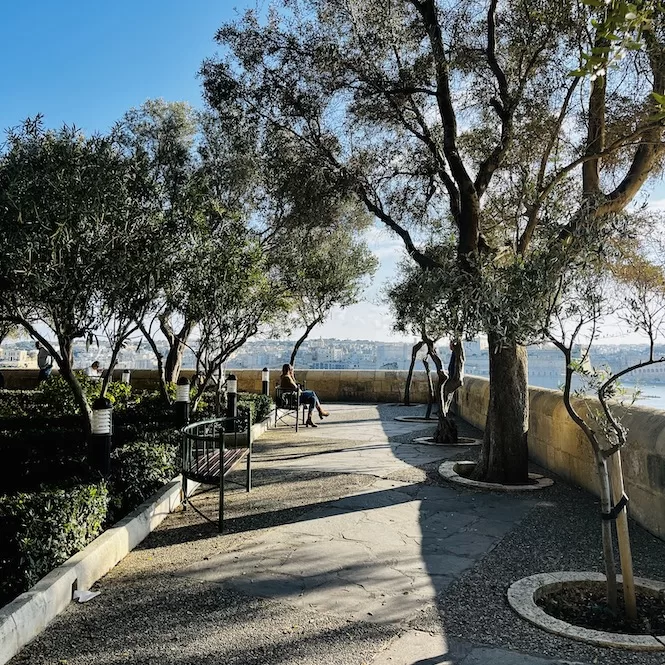
They are quieter than the Upper Gardens and, in my opinion, underrated. The views are different: from here you look out over the Valletta breakwater and across to the Three Cities – Senglea, Birgu and Cospicua – rather than directly into the Grand Harbour. The Lower Gardens sit on the bastions just as the Upper ones do, but they attract far fewer visitors, which makes them a genuinely good place to stop and sit for a while.
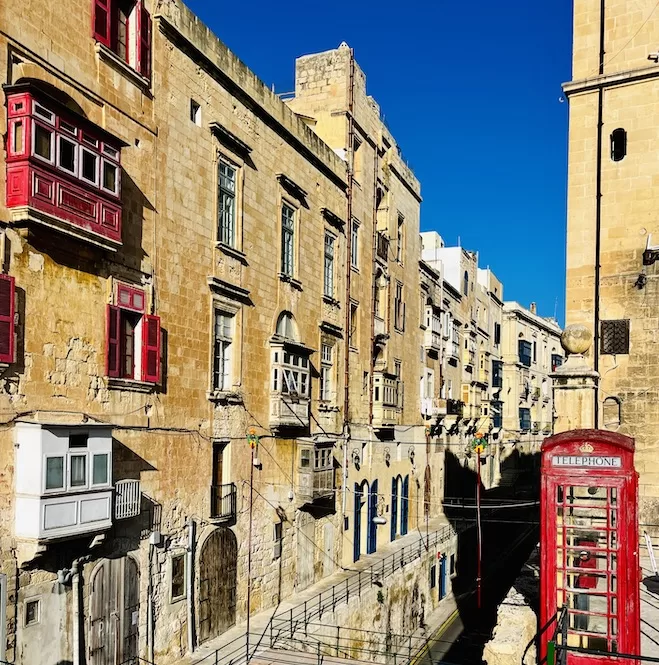
The nicest way to get there is along St Barbara Bastion. About halfway along you will find a small bridge with a bar right next to it and an old English telephone box that has survived everything. From that point the path opens up along the bastions with direct views over the Grand Harbour. Clothes hang from lines between windows. You hear Maltese from balconies above. It is one of the quieter streets in Valletta and worth taking slowly.
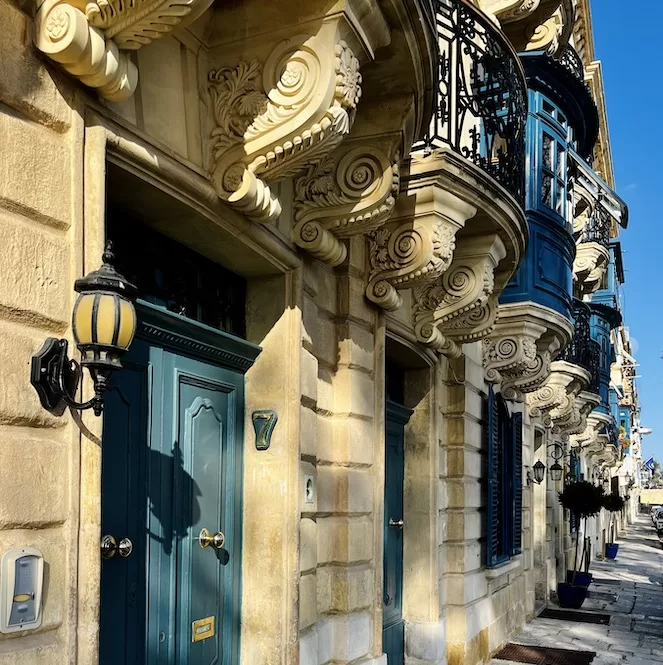
The Lower Barrakka Gardens are my go-to spot in Valletta when I want to sit somewhere peaceful. I have spent more afternoons there than I can count, usually with a book.
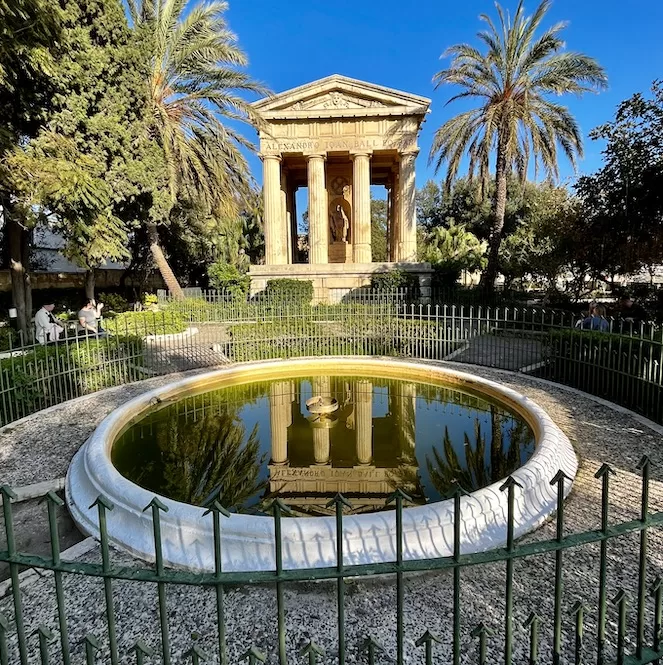
There is a small cafe nearby if you want a coffee or something light while you take in the views.
If you want to explore more of Valletta’s green spaces, take a look at my guide to the best gardens in Malta.
Fort St Elmo and the National War Museum
Opening times: Wednesday to Monday, 9 am to 5 pm in Jan & Feb and 10 am to 6 pm from Mar to Dec.
Entrance fee: €10 for adults, discounts provided for seniors, students and children (more details)
Location: Google Maps
Fort St Elmo, also known as the National War Museum, is number 8 on the map, at the eastern tip of Valletta.
The fort was built in the 16th century to protect the harbour from invasion and has been restored since. When you enter, you get an immediate view across both harbours and towards the Three Cities, which alone is worth the walk down from Republic Street.
Inside, the museum is split into six sections covering 7,000 years of Malta’s military history, from the Bronze Age to the 21st century. It houses weapons, uniforms, photographs and documents from different periods. If you have already visited the War HQ Tunnels or the Lascaris War Rooms, this puts everything into a broader historical context.
Throughout the year the fort hosts re-enactments of famous battles, living history weekends and guided tours. Worth checking what is on during your visit before you go.
The fort is reachable by bus or on foot from the rest of the walking tour. Allow about an hour to see the whole site.
Casa Rocca Piccola
Opening times: Monday to Saturday, 10 am to 5 pm
Entrance fee: €10.50 for adults, discounts provided for students and children (more details)
Location: Google Maps
This privately owned palace dates to the 16th century, the time of the Knights of St John, and has been continuously inhabited by the same Maltese noble family ever since. That continuity is what makes it interesting: it is not a museum in the conventional sense but a lived-in house with more than fifty rooms, including two libraries, two dining halls, multiple drawing rooms and a chapel. Most of the rooms are open to visitors.
If you enjoy that kind of intimate, layered history – objects and furniture accumulated across centuries in a family home rather than curated for display – it is worth an hour of your time.
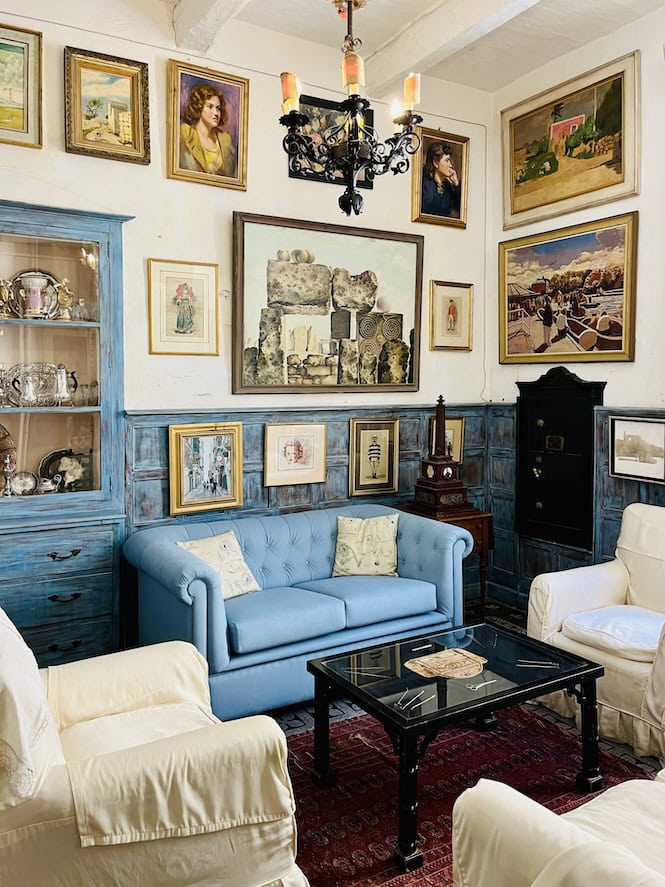
The house contains furniture, silver and artwork collected from Malta and Europe across the centuries, as well as the most extensive private collection of antique garments in Malta. There are also World War II air raid shelters on the property that visitors can explore, which add an unexpected layer to what is otherwise a tour through aristocratic domestic life.
Allow about an hour. A private tour is worth booking in advance rather than joining a general group. Book one here.
Teatru Manoel
Opening times: Mon to Fri at 11 am and 3 pm, Sat – 10:30, 11:30, 12:30
Entrance fee: €5 for adults for a 20-minute entry, €20 for a tour (more details)
Location: Google Maps
Teatru Manoel is number 10 on the map, one of the oldest working theatres in Europe. It was commissioned by Grand Master Fra António Manoel de Vilhena and opened in 1732.
It is not particularly well known among tourists, which makes it a pleasant stop: less crowded than most sites on the walking tour. You can do a self-guided visit of the theatre for €5, which takes about 20 minutes and is worth it for the architecture alone. Tours are also available, taking you through the building and into the attached museum, which covers the history of the theatre and includes a section dedicated to the Royal Opera House, destroyed in a World War II air raid.
If there is a performance on during your visit, I would check the schedule. Seeing a show here is a different experience from the daytime visit, and the theatre itself is the attraction as much as whatever is on stage.
Republic Street
Include Republic street in your Valletta sightseeing list.
Republic Street in Valletta is worth seeing for anyone visiting Malta (refer to point 11 on the map).
Republic Street runs the full length of Valletta from the City Gate to Fort St Elmo and is where most of the main sites sit. The Grand Master’s Palace and the Auberge de Castille are the two most prominent buildings on the street, both worth stopping at. The architecture along the whole length is Baroque, with churches and historic buildings on almost every block. Walk it slowly rather than treating it as a route between stops.
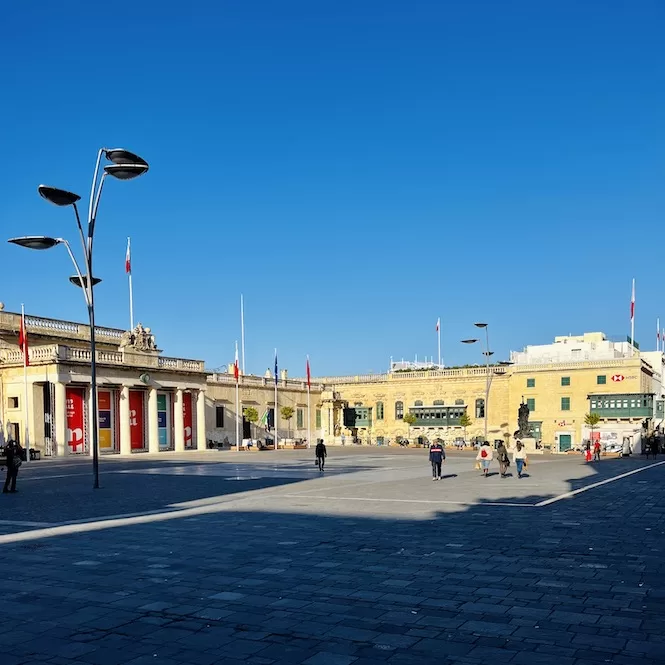
Beyond the architecture, Republic Street has shops, cafes and restaurants running most of its length. In summer, the street regularly hosts outdoor events: concerts, open-air cinema screenings and art exhibitions appear throughout the season. Locals and tourists both use it, which gives it a more genuine atmosphere than purely tourist streets tend to have.
One thing worth knowing: the side streets running parallel to Republic Street, particularly towards the tip of the peninsula, are quieter and less commercial. Clothes hang from lines between windows, you hear Maltese being spoken from the balconies above.
Valletta is small enough to walk every street if you want to. If you have time, leave the main road and wander. You will not get lost. Most visitors do not know that beneath the streets there is a whole other Valletta. The Knights built an underground city on the same grid when they constructed the city above ground in the 16th century, designed so that air would always move through. Several tour operators offer underground tours; you can read more in my guide to underground Valletta.
Grandmaster’s Palace
Opening times: Monday to Sunday, 10 am to 5 pm
Entrance fee: €15 for adults, discounts provided for seniors, students and children (more details)
Location: Google Maps
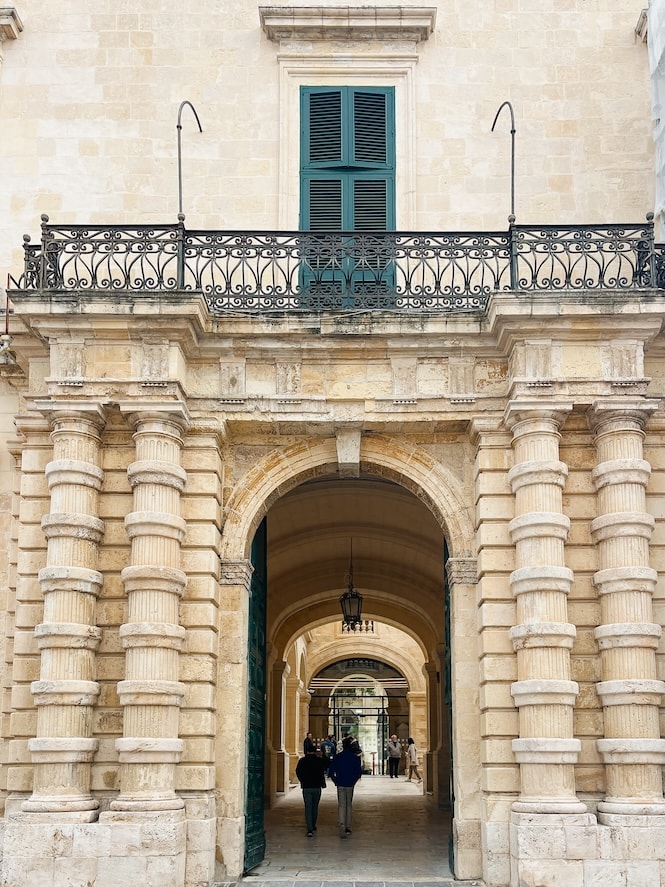
The Grandmaster’s Palace is number 11 on the map. It was originally built for the Grand Master of the Order of St John and has served multiple purposes since, including as Malta’s Parliament before the current Parliament House opened in 2015. The architecture mixes Mannerist and Baroque styles, reflecting the different periods of its history.
The Grandmaster’s Palace has just completed Heritage Malta’s most ambitious restoration to date: a €28 million project focused on the Piano Nobile corridors. The soffit ceiling paintings by Niccolò Nasoni, dating from 1723 to 1725, the walls, lunettes, and polychromed marble floors were all meticulously restored.
When restorers removed the scaffolding, they found the post-war concrete ceiling was in imminent danger of collapse from water damage. They replaced it with the original timber beam and stone slab system.
I visited not long ago and, honestly, I did not expect it to affect me as much as it did. I am not particularly drawn to armoury exhibitions, but walking through those hallways is something else. The scale of it, the marble floors, the painted walls: you can genuinely picture the Knights moving through these same corridors several hundred years ago. It is one of those places where the history stops feeling abstract.
St. John’s Co-Cathedral
Opening times: Monday to Saturday, 10 am to 4:45 pm
Entrance fee: €15 for adults, discounts provided for seniors, students and children (more details)
Location: Google Maps
St John’s Co-Cathedral is number 13 on the map, built in the 16th century and still a working place of worship.
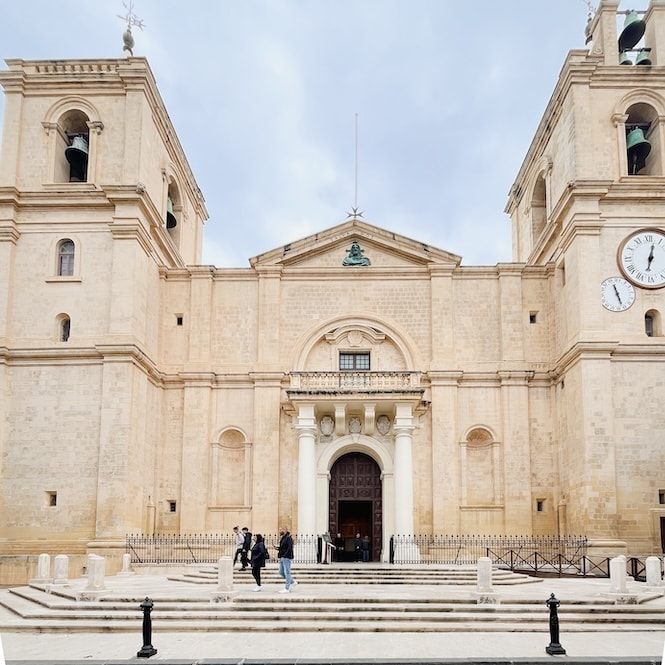
The exterior is deliberately plain limestone – the Knights did not want to signal what was inside. Step through the door and the contrast is complete. The marble floor is covered entirely with the carved tombstones of the Knights, each one different. The eight chapels, one for each langue of the Order, are each decorated differently with their own works of art. The vaulted ceiling is painted floor to ceiling with intricate scenes.
Whether it is worth visiting depends on you. If you enjoy art, religious history or extraordinary interiors, the answer is yes without hesitation. If museums and churches are not your thing, you can see the exterior for free and move on. What I would say is that most people who go in, including people who thought they would not be interested, come out having found it more impressive than they expected.
You do not need to book in advance, but expect a queue. The cathedral is closed on Sundays. Allow about an hour inside.
National Museum of Archaeology
Opening times: 9 am to 5 pm
Entrance fee: €5 for adults, discounts provided for seniors, students and children (more details)
Location: Google Maps
The National Museum of Archaeology is number 14 on the map, housed in the Auberge de Provence on Republic Street. The building itself was designed by Ġilormu Cassar and constructed in 1571, a superb example of Baroque architecture worth appreciating before you go inside.
The collection spans from the Neolithic period (5900 to 2500 BC) through to the early Phoenician period (8th to 6th century BC) and includes tools, coins, human and animal figures, pottery and jewellery. What makes it genuinely interesting is the window it gives into how people lived on these islands thousands of years before the Knights arrived.
Two objects in particular are worth finding: the Sleeping Lady, originally from the Hal Saflieni Hypogeum, and the Venus of Malta from Ħaġar Qim. Both are small and easy to walk past, but they are among the most significant prehistoric artefacts found anywhere in the Mediterranean.
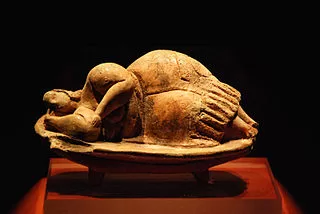
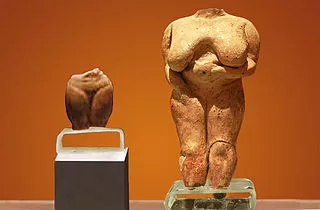
Credit: “Venus of Malta” by Hamelin de Guettelet, licenced under CC BY-SA 3.0; “Sleeping Lady” by Jvdc, licenced under CC BY-SA 3.0
Strait Street
Strait Street , also known as Strada Stretta, is number 15 on the map.
It has a long history that is worth knowing before you walk down it. In the 19th and mid-20th centuries it was Valletta’s main nightlife strip, where American and British military men spent their evenings alongside locals. Live music, particularly jazz, was a fixture. Over time it became an iconic part of Valletta’s multicultural character, though its reputation was also marked by drunkenness and prostitution, and eventually its popularity declined.
When I first moved to Malta the street was quiet and fairly forgotten. Today it is a different place entirely: the bars and restaurants have come back, the music has returned, and on a good evening it feels genuinely alive in a way that most streets in Valletta do not after dark. It is the right place to end a full day of walking.
The Coastal Walk: My Favourite Thing to Do in Valletta
When you step off the ferry, everyone goes right up towards the Republic Street. Turn left instead.
Follow the path along the boathouses. You will cross a breakwater bridge, then pick your way over some rocks. Keep going. Eventually you arrive at a small sheltered area: more boathouses, cats everywhere, and the Lighthouse of the Three Cities directly in front of you across the water.
This is my favourite walk in Valletta. I have been living here for over fifteen years and I still find it every time.
There are ladders going into the sea not far after the breakwater bridge, and another set at the boathouse area. Local people swim here. The water is clean. If you are visiting in summer and the sea is calm, it is an entirely different way to end a Valletta visit: cool off in the water with the fortifications around you and nothing in front of you but the harbour. Avoid swimming in the Grand Harbour itself, where boat traffic makes the water murky.
If you are short on time, do the main sites first and save the coastal walk for when you have finished the crowds. If you have a second morning in Valletta, this is where I would start.
Where to eat in Valletta
Valletta has over a hundred restaurants. I have not tried all of them and I am not going to pretend I have. What I can tell you is that the quality has improved significantly over the past decade, and you no longer have to look hard to eat well here.
The best approach is to walk one block off Republic Street in either direction.
Where to stay in Valletta
Staying inside the walls is a different experience from staying in Sliema or St Julian’s. Quieter at night for the most part, more central for history, and a longer trip to the beach areas if that matters to you.
The practical case for Valletta is strong. The city has a wide range of restaurants and cafes, from local spots to more serious dining, so you are never far from a good meal. There is usually something happening: music festivals, art exhibitions, historical re-enactments come and go throughout the year. And as a transport hub, Valletta is well connected: ferry services run to Sliema, the Three Cities and Gozo, and buses leave from the terminus just outside the City Gate to most parts of the island.
The accommodation inside the walls tends to have character. The buildings are old, some have been updated with contemporary interiors, others kept closer to their original state, but almost all of them have a history behind them that a modern hotel in Sliema simply cannot offer.
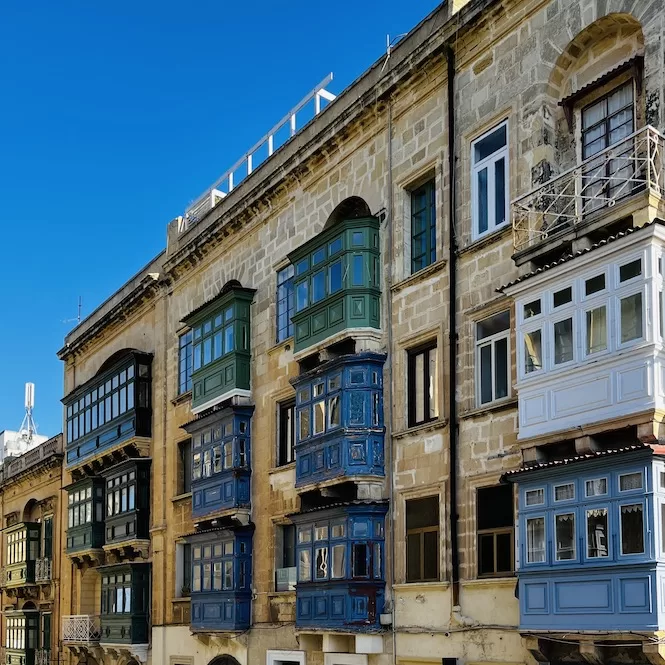
Authentic Places to Stay in Valletta
La Falconeria Hotel: Modern, spacious, and well-located in Valletta with a fitness centre, bar, and baby-friendly amenities. Book here.
Palazzo Jean Parisot Boutique Suites: Elegant apartments with a rooftop terrace and hydromassage tub. Book here.
Casa Ellul – Small Luxury Hotels of the World: 19th-century boutique hotel with authentic Maltese décor. Centrally located, and spacious. Book here.
Is Valletta worth visiting?
Without question, and more than once. Valletta is the kind of place that shows you more each time you return. The first visit you cover the main sites. The second you start finding the quieter streets. The third you take the coastal walk and wonder why you did not do it the first time.
If you want your whole Malta trip planned with the same logic as this guide, routes and all, my 7-Day Malta Itinerary is how I plan it for the people I care about.
Frequently Asked Questions
If you’re putting together your Malta trip itinerary, you should check out my guide to the top things to do in Malta. It’s packed with all you need to know – from top places to visit to the best beaches and even some hidden spots.
Don’t forget to explore other historical places such as Mdina, Rabat and Three Cities. For a day trip, here are my guides to the Blue Lagoon and Gozo. Also, learn about the best time to visit Malta so you can have an amazing experience.
Exploring is fun, but planning logistics can be stressful. Want to save 20+ hours of research? Check out my Stress-Free Malta Guide. It includes a curated list of worth seeing places, parking tips, and exactly how to get to Valletta and other places without the headache.
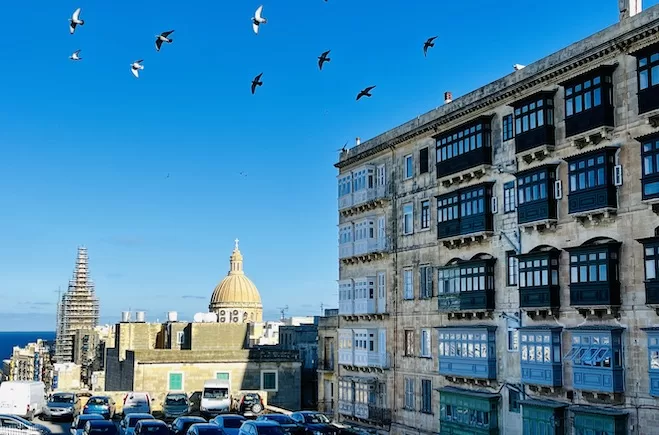
-,Jvdc,-(talk%20%7C)