Just a quick heads up – some of the links I share on this site are affiliate links. That means if you click on one and make a purchase, I may earn a small commission at no extra cost to you. Your support through these links helps me create valuable content.
The Three Cities sit right across the Grand Harbour from Valletta, and a 15-minute ferry ride takes you somewhere that feels completely different. There are no high-rise buildings here, no new developments. The architecture is old and genuinely restored, not dressed up for tourists.

Written by Laura Jasenaite, Malta travel expert with 15+ years living on the islands.
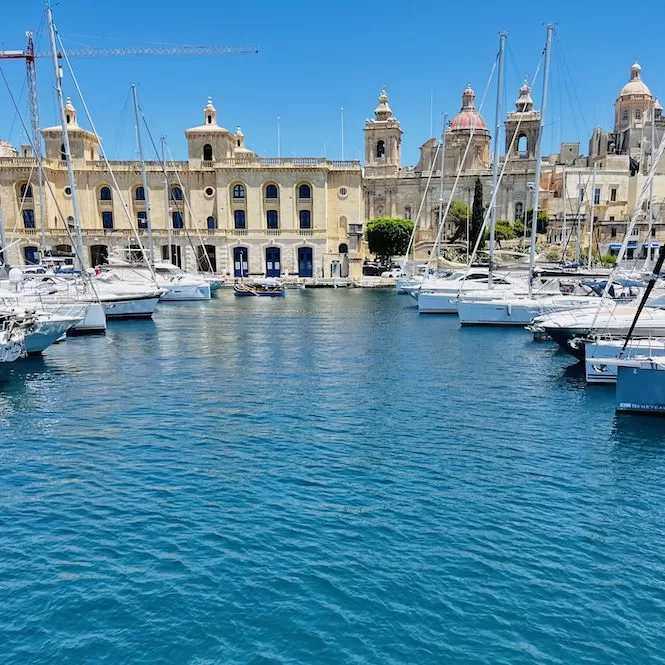
Walking the harbour areas, you will see everything from small colourful Luzzus to private yachts, and it is remarkably peaceful for somewhere so close to the capital.
This guide covers Vittoriosa (Birgu), Senglea, and Cospicua: what to see in each, how to move between them, and the route I actually use.
Three Cities in Malta: Are They Worth Visiting?
Yes, absolutely. But it depends what you are looking for. If you want to walk around beautiful streets, take photos, stop for coffee, and enjoy harbour views, the Three Cities are perfect for a day out. There is no shopping here, and it is not like Valletta for busy bars and restaurants.
There are good places to eat, particularly around the Birgu waterfront, but it is quieter, more local, and more authentic than most places visitors see in Malta. If that kind of day sounds right for you, you will love it.
Wander the narrow streets, take the ferry across the Grand Harbour, walk the fortification walls, and visit a museum or two if history interests you. If you are still deciding where to base yourself, my guide to the best areas to stay in Malta covers all the main neighbourhoods.
The Three Cities is one of the stops in my 7-Day Itinerary
I’ve mapped out exactly when to visit the Three Cities alongside the rest of Malta – with clear routes, best visit times, location links, restaurant tips, and zero stress.
Get the guideIs it Possible to Walk between Sengea, Vittoriosa and Cospicua?
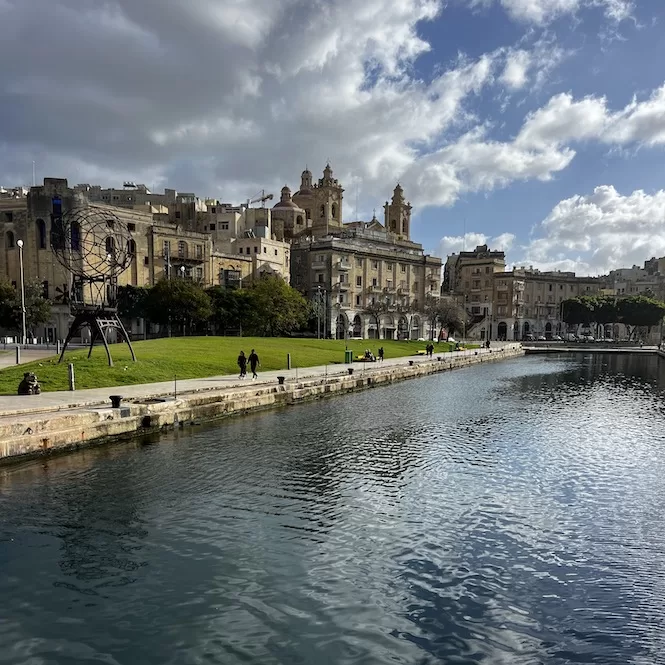
Yes, you can easily walk between the Three Cities of Malta. Vittoriosa and Senglea are 1.2 km apart, and Senglea and Cospicua are 1.7 km apart. Walking between the cities is enjoyable, and you get a great view of the Grand Harbour.
Where to Stay in the Three Cities
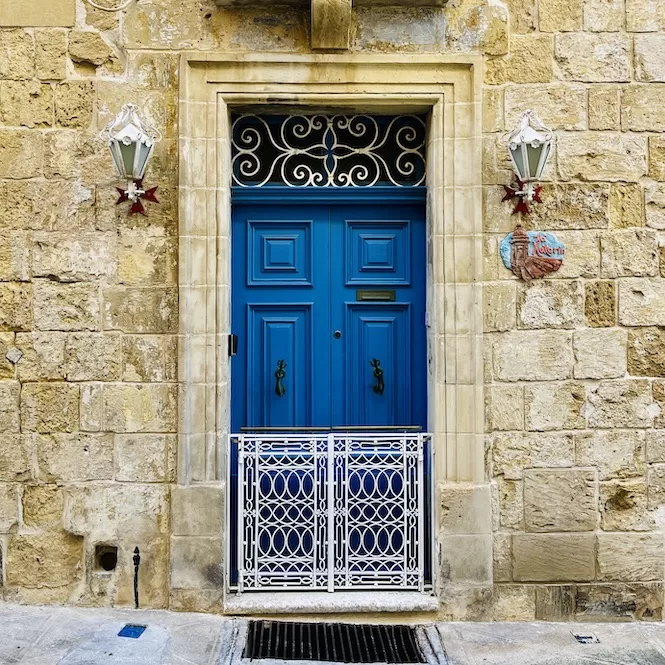
The Three Cities have a small but good selection of boutique hotels, mostly in restored townhouses. Staying here costs less than Valletta and puts you a short ferry ride from the capital.
Staying in the Three Cities is a completely different experience from Valletta. The accommodation is in old, traditional townhouses; it is quieter, and it tends to be a little less expensive.
BOCO Boutique Hotel: Located in Cospicua it offers a distinctive, artsy design and views of Grand Harbour and Valletta. Book here.
Senglea Suites: Luxurious, castle-like boutique hotel in Senglea with attentive owners and stunning top-floor views. Book here.
Palazzino Birgu Host Family B&B: Architectural gem with spacious and well-decorated rooms. Book here.
How to Get to the Three Cities (Bus vs. Ferry)
You can take the bus from Valletta to the Three Cities (lines 1 or 2). It takes about 25 minutes and costs €2.00 in winter (October to June) and €2.50 in summer (June to October). For a full overview of getting around the island, see my Malta transport guide.
But my favourite option is the ferry from Valletta. It is faster, scenic, and avoids traffic. The ferry departs from the Valletta waterfront, below the Barrakka Gardens. A single ticket costs €3.00 and a day-return is €4.80. You can find the Three Cities ferry timetable here.
And here is a local tip: the Upper Barrakka Lift is free for Tallinja Card holders, and generally free or discounted with a valid ferry ticket. Using the lift is a real advantage as it saves you a steep climb back up to Valletta after a long day of walking.
Need advice on renting a car in Malta? Here’s my guide with insider tips on everything you need to know.
What are the Names of these Three Cities in Malta?
The names confuse everyone, so here is the short version: just call it Birgu. That is what everybody here uses. The Italian names, Vittoriosa, Senglea, and Cospicua, were given by the Knights after the Great Siege of 1565, but in daily conversation you will hear Birgu, Isla, and Bormla.
Here is the full breakdown:
- Vittoriosa = Birgu
- Senglea = Isla (or Cità Invicta)
- Cospicua = Bormla
The name Birgu comes from Borgo. Birgu is next to Fort St Angelo, with Birgu being the Borgo of the Castello. After the Maltese won the Great Siege of Malta in 1565, the Knights of St John renamed Birgu “Cittá Vittoriosa”, meaning “the victorious city”. These days it is shortened to Vittoriosa.
Bormla is the biggest of the Three Cities. People called this town Bormla before the 18th century. The Order of Saint John built fortification walls to protect the town and its neighbours. Grand Master Marc’Antonio Zondadari declared Bormla a city in 1722. Because of the strong bastions surrounding the area, he called it “Citta Cospicua”, meaning “a walled city”.
Senglea has three names. The Maltese name for it is Isla, which means island. Its second name, “Città Invicta”, means “the invincible city”. It got its name because it resisted the Ottoman invasion in 1565. Nowadays, “Città Invicta” is rarely used. The city is called Senglea because Claude de la Sengle built it and gave it part of his name.
Together, all three cities are also known as Cottonera, because of the Cottonera Lines and fortifications surrounding the towns.
What is the History of the Three Cities in Malta?
The Three Cities are the oldest continuously inhabited part of Malta. Birgu has been settled since the Phoenicians, and the Knights of St John used it as their base from 1530 until Valletta was built in 1571.
If you are into history, the Three Cities will reward you. The fortifications alone are impressive enough to raise your imagination. Standing on the bastions and looking out over the harbour, it is easy to picture what this place looked like during the medieval sieges. It does look majestic, and it feels old in a way that very few places in Europe still do. For more context on Malta’s broader history, my guide to historical sites in Malta covers the key places across the island.
Vittoriosa (Birgu) is the oldest of the Three Cities and has been inhabited since the Phoenicians. When the Order arrived in 1530, they chose Birgu as Malta’s capital instead of Mdina. The Knights built Senglea on L’Isola and Cospicua after the Ottoman Empire attacked Gozo in 1551.
Following the Great Siege of Malta in 1565, the Knights of St John decided to build a new city. To prepare for future attacks, they fortified it heavily. In 1571, Valletta became the capital instead of Vittoriosa.
The Knights of St John built Cottonera fortifications in 1670. Grandmaster Nicolas Cotoner wanted to create fortifications encompassing all the surrounding towns. Unfortunately, it never got finished. Those defences aimed to keep the Ottomans from attacking Marsaxlokk and the harbour.
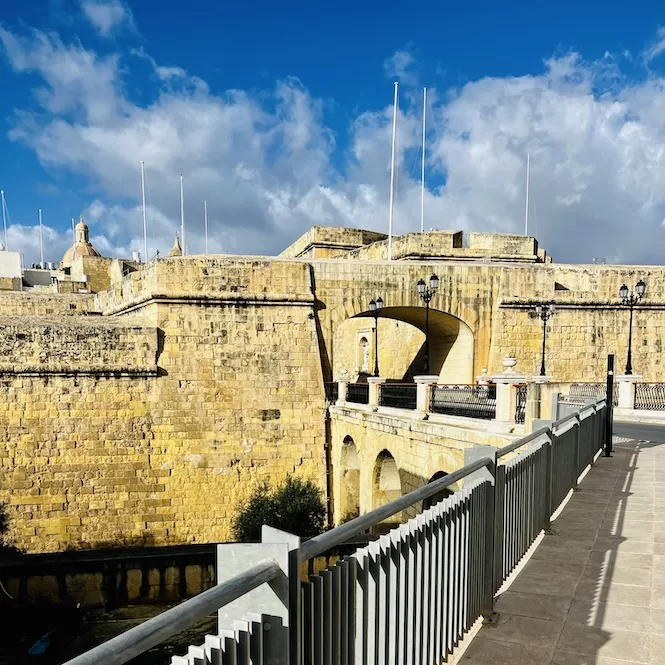
World War II bombers damaged the Three Cities. After the war, many educated and professional people left Cottonera. The cities were rebuilt in the 1950s and 1960s and repopulated by workers. For decades, this area had a higher rate of illiteracy and unemployment.
Over the last few decades, the Three Cities have gained popularity again. It attracted investors to buy properties and turn them into luxury homes. Also, the Three Cities become a tourist hot spot as boutique hotels, restaurants and wine bars.
Get a FREE Attractions Map
Planning a trip to Malta, Gozo, or Comino? Get this free interactive map filled with insider tips, Google Maps links, and more.
I want it!Map of the Three Cities in Malta
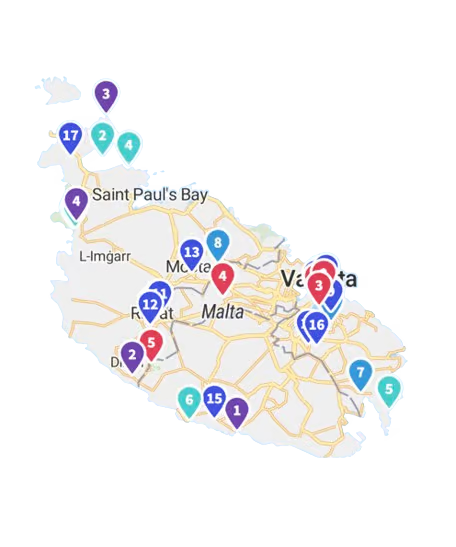
Below is an interactive map of Malta’s Three Cities, perfect for your walking tour. You can find all the highlights marked with pins. To navigate, simply click on the pins or links in the text, and you’ll be directed to Google Maps.
If you prefer a guided Malta Three Cities tour, click here to book one.
What to See and Do in Senglea (Isla), the Smallest City
Senglea is the smallest of the Three Cities, covering about one square kilometre, and is best explored on foot in a morning.
Most people spend their time in Birgu and barely cross into Senglea. That is a mistake, though I understand why it happens: Birgu is polished and easy to love. Senglea is different. It is how Birgu looked 15 or 20 years ago, before the renovation money arrived. There are townhouses that have not been touched, some with older residents still living there, some long closed up. Clothes hang from windows. You hear people talking in Maltese in the street. It is rougher, more local, and more real, and it is also very pretty in its own way.
Interested in exploring Three Cities on a tour? Check out my guide to the best Three Cities’ tours.
Malta Three Cities Attractions: Fortifications of Senglea
After you get off the ferry, walk left and cross the bay over a small bridge. Follow the waterside and you’ll see the fortifications. These were built to protect the Senglea peninsula from land attacks. The first fortification, Fort Saint Michael, was built in 1552. Over the next decade, Claude de la Sengle completed most of the rest.
Senglea Parish Church
After you get through the fortified St Anne’s Gate, turn left, and you’ll be in front of Senglea Parish Church (visit duration – 15-20 mins).
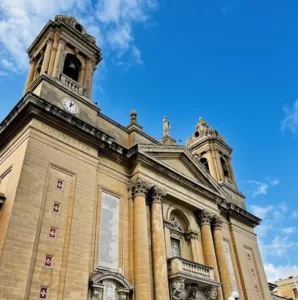
It was built in the 16th century but destroyed during WWII. A few years later, it was rebuilt. This basilica’s main attraction is a wooden 17th-century statue of Mary known as Il-Bambina. The artist is unknown.
From there, go along Triq Il-Vitorja or any parallel street towards the point of Senglea.
The Docks
I like to walk along Senglea’s left side to see the docks. I like this because there’s a wall on the edge and you can walk on it. Also, Valletta and the harbour are visible from here.
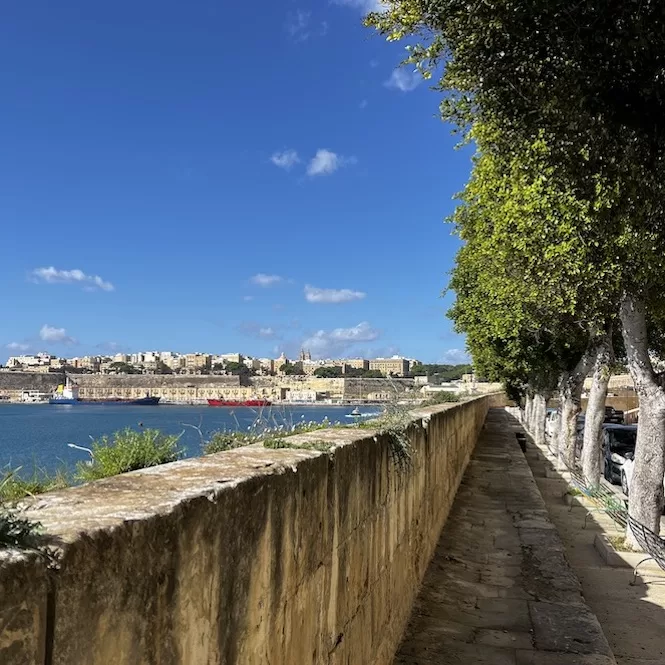
Gardjola Gardens
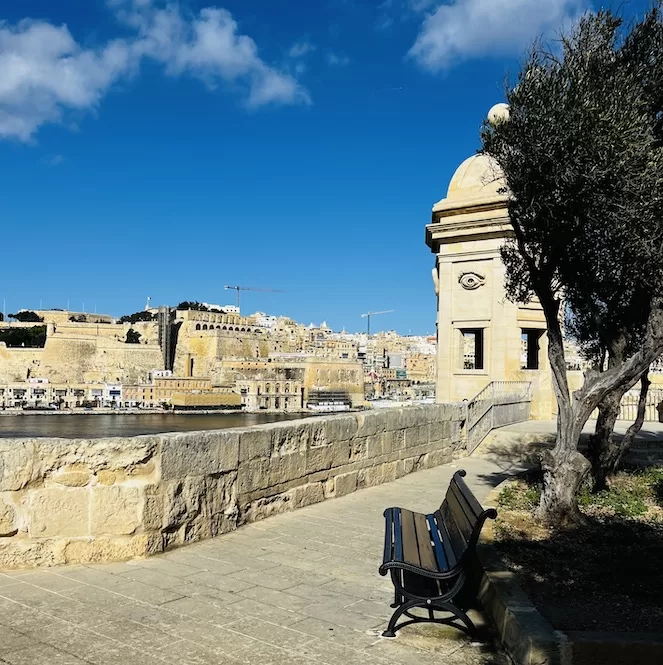
The Gardjola Gardens are at the point of Senglea. They offer a great view of Valletta, Fort Saint Angelo in Birgu, and other areas around the Grand Harbour. The gardens were built in 1551 with a guard tower at the end. The guard tower is called Il-gardjola, hence the name of the garden.
This is the classic photo spot. Look for the stone symbols of an eye and an ear on the watchtower – a warning that the Knights were always watching and listening!
Visit duration: allow 30-45 minutes for views and photography.
If you want to understand Malta’s history well, take a walking tour in Valletta. Look at my guide for the best Valletta walking tours.
Senglea Streets and Marina
As soon as you leave the garden, turn left. There are some pretty streets and buildings there. Senglea’s residential streets give you a taste of life away from the tourist scene. It has a lot of charming Maltese balconies, which are the country’s most iconic architectural features. It’s a quiet and friendly area, so you’ll hear lots of Maltese and see people’s daily lives.
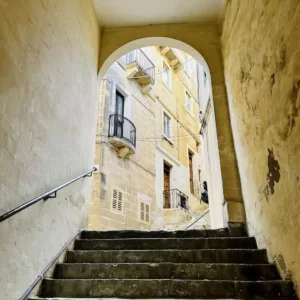
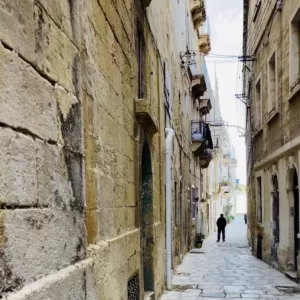
You can also go down the stairs to the Senglea Marina. You can grab a drink or lunch and enjoy the views of Birgu.
If you want fresh seafood with a view, my personal favourite is Enchanté Restaurant on the waterfront. It’s perfect for a relaxing lunch.
Cospicua (Bormla): The Double-Fortified City
You can reach Cospicua from Senglea via a bridge at the dock. My favourite way to approach it is at the end of the day. After walking Birgu’s walls, I come down into the Cospicua harbour area. There are colourful boats, benches along the water, and almost no one around. It is very quiet and very picturesque.
The dock area has a pleasant walk along the waterfront, and I personally love to just sit on a bench there and watch the boats.
Cospicua’s Architecture
From the docks, you can see the church towers. Every Maltese town has churches and chapels, and Cospicua is no different. In the city, you’ll find the Parish Church of the Immaculate Conception (visit duration – 15-20 minutes). There are also the chapels of St Paul and St Margaret.
It’s easy to spend hours wandering the streets of Cospicua. Cospicua is on the top of five slight hills. So, you’ll have pretty views of Birgu and Senglea, along with the marina nearby.
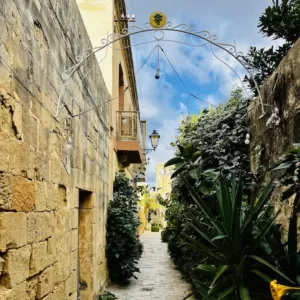
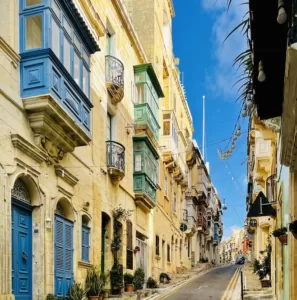
The streets there are lined with old houses, untouched by development. You can also see the fortification surrounding the city – the Cottonera Lines. The Cottonera Lines consist of walls, gates and bastions. Lines need to be in better shape. Yet, they give a clear picture of what this area was like in the past.
Bir Mula Heritage Museum
If you love history, visit the Bir Mula Heritage Museum. On the outside, it looks like your typical Bormla house. But it contains a wealth of prehistoric history and mystery. There’s a lot to its history, from Punic cults to secret meetings held during the Knights of St John era. Bir Mula Heritage is open from 10 am to noon on Saturday and Sunday.
Visit duration: 1-1.5 hours.
What to See and Do in Vittoriosa (Birgu)
Birgu is where you will take most of your photos. The streets are narrow, the architecture is beautifully restored, and almost every window has flowers or colourful shutters. Walk down from Cospicua and head towards the Birgu waterfront.
St Lawrence’s Church
St Lawrence’s Church in Birgu is another beautiful church in the Three Cities. A 17th-century building sits right on Birgu’s waterfront.
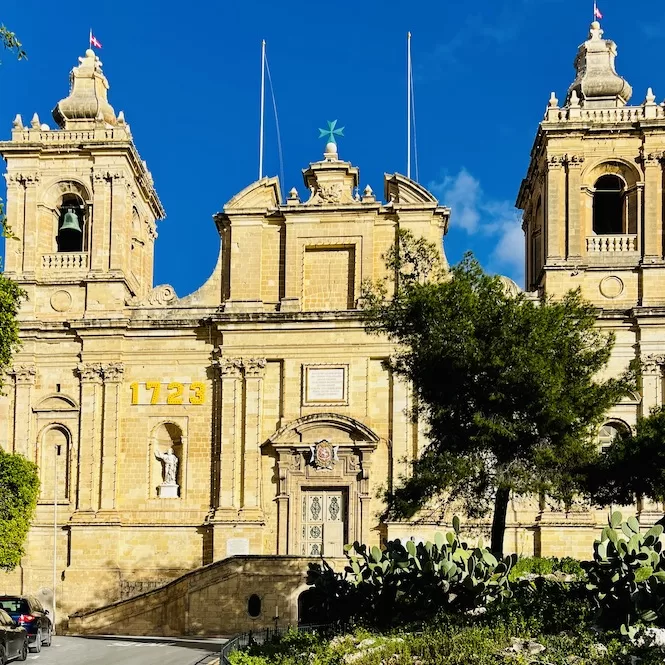
Malta’s Maritime Museum
Just a minute later, you will see the Malta Maritime Museum. This museum, housed in the old Royal Naval Bakery, tells the story of Malta’s maritime past. There’s a whole ground floor dedicated to the mechanics and engineering of naval ships. You’ll also find details about the British Navy in Malta. You can learn about liberating Malta from the French during the Napoleonic Wars and the British Navy’s role in World War I and II.
The Malta Maritime Museum requires approximately 1-2 hours for a thorough visit.
Birgu’s Waterfront
Keep walking along Birgu’s waterfront. Marina is in the heart of Three Cities. The Knights of St John built heavy fortifications to protect the marina. Admiring yachts along the waterfront is a must. There are also many places to eat, drink, and hang out.
Fort St Angelo
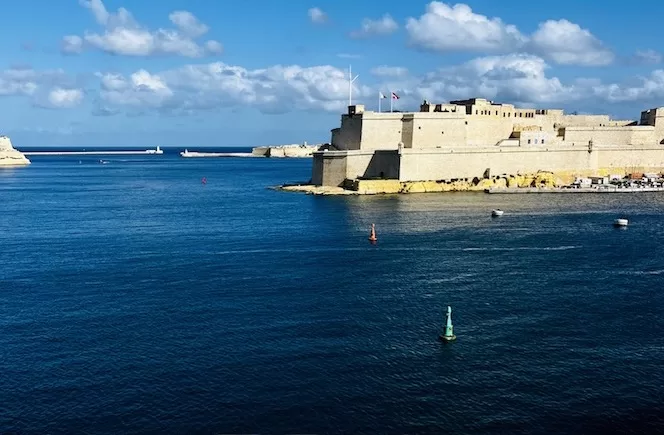
Fort St Angelo is an immense fortress on Birgu’s Point. This is the star attraction. You need at least 2 hours here. The views from the top platform are arguably the best in all of Malta.
This site has had forts and strongholds since at least 1241. In fact, Birgu’s name comes from il Borgo del Castello or the city outside the castle. Once the Knights of St. John arrived on the island in 1530, they converted the medieval castle into a fort. More changes happened in the 17th century and after World War II.
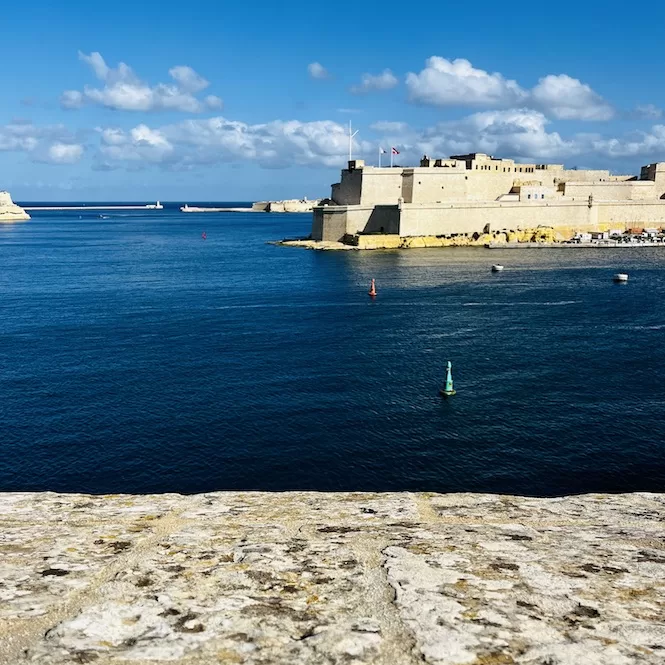
A visit to Fort St Angelo includes walking along its high fortress walls and rooftops. You can enjoy spectacular views across the Three Cities, Valletta, and the Grand Harbour. Inside the Fort, several exhibits cover the Fort’s history and the history of the Mediterranean.
Tickets cost €10 for adults. Buy directly from the Heritage Malta website to avoid booking fees on third-party platforms. Visit duration: at least 2 hours.
After you see the Fort, walk to Victory Square. It’s Birgu’s main square. It has many cafes and restaurants so you can take a break here.
Inquisitors’ Palace
Inquisitors’ Palace is 3 minutes away from Victory Square. From 1574 to 1798, the Inquisitor’s Palace served as the seat of the Inquisition. The building was constructed as a courthouse in the early 16th century. But, little remains of the original building.
The Inquisition was abolished during the French occupation of Malta in 1798. After that, the Palace was home to a military hospital, a mass hall, and a religious house. Since 1966, it’s been a museum. Museum visitors can see the tribunal room, prison complex and kitchen. There is also an exhibit about the Inquisition in Maltese society.
Recommended visit duration – 1-2 hours to view all exhibits.
Malta at War Museum
Malta at War Museum is also worth a visit if you’re a history buff. It’s about Malta’s WWII role.
The museum is in the Couvre Porte, a 17th-century counterguard forming part of Birgu’s fortifications. The counterguard was built with space between the walls, which later became barracks. During World War II, the barracks served as a police HQ and civil defence centre. In addition, under the counterguard were air raid shelters dug for Birgu’s residents. The barracks and shelters are now part of the museum.
Also, there’s an exhibit of uniforms, weapons, documents, medals, and other memorabilia at Malta at War Museum.
Visit duration: 1-2 hours.
Birgu Ditch Gardens
Birgu Ditch Gardens is just off the museum. It’s a cute little garden within Birgu’s fortifications. There is a walkway with olive trees and some plants (you can walk around in 15-20 mins). You can walk or sit on the bench in the shade of the trees and look at the fortifications. On a hot summer day, it’s perfect.
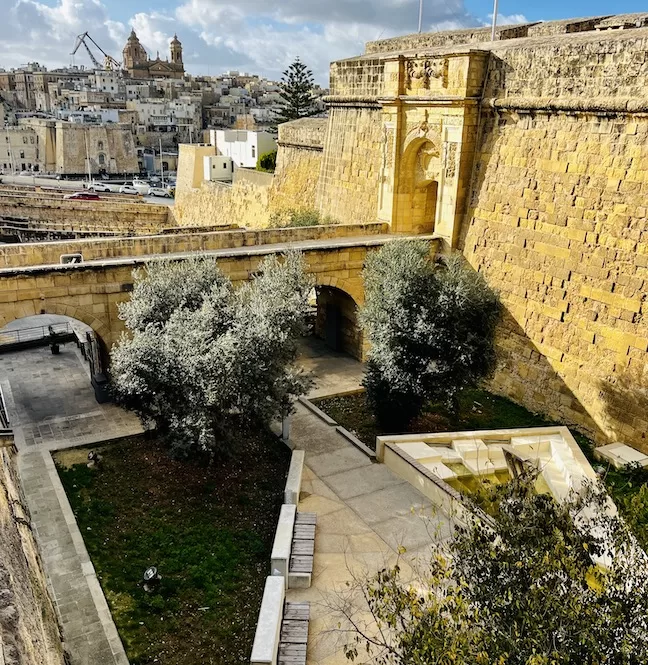
Walking Around Birgu
I recommend walking around Birgu if you still have time. Get into one of the narrow streets and make your way towards the water. This is where you can start walking on top of the walls. You will get an excellent view of Kalkara Marina and Valletta.
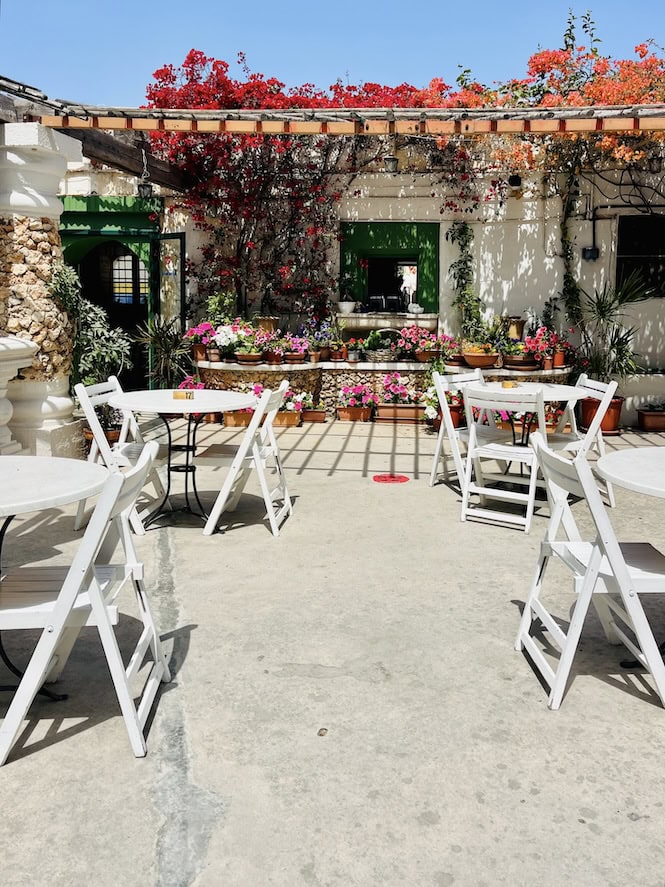
After a long day, Café Riche is worth knowing about. It is a small spot with a garden full of flowers, good for a drink or a simple lunch while you rest your feet. The menu is straightforward: sandwiches, salads, burgers. But the garden is lovely.
The Three Cities are not about ticking off a list. Come with time to wander, and you will get far more out of it than the people who rush through in two hours. If you want everything planned out for your whole Malta trip, I put together a stress-free 7-day Malta itinerary that takes the guesswork out of the order.
Frequently Asked Questions About the Three Cities
Building a wider itinerary? My Malta travel guide for first-timers shows how the Three Cities fit with Valletta, Mdina and the rest of the island.